Let’s be honest: nobody wakes up one day with fine lines, sagging, and volume loss. It creeps in. But what if you could subtly slow it down—or better yet, stay a step ahead? That’s the idea behind preventative filler, a trend quietly booming in medspa circles and dermatologist offices.
Rather than waiting for visible signs of aging, more 20- and 30-somethings are turning to light doses of filler to maintain a naturally youthful look. No duck lips. No chipmunk cheeks. Just smart, subtle volume correction that evolves with you—not against you.
Jump To:
TLDR – Quick Guide
- What is it? Preventative filler uses dermal fillers early to maintain youthful volume.
- Who’s it for? Typically, patients in their mid-to-late 20s or early 30s.
- Why? It can delay the deepening of lines and volume loss before it starts.
- How? Small, strategic doses—focused on high-movement areas (like nasolabial folds or cheeks).
- Bonus: It can reduce the amount of filler needed later in life.
Detailed Breakdown
What is Preventative Filler, Really?
Preventative filler isn’t about changing your face—it’s about preserving it. It’s a proactive approach using low volumes of hyaluronic acid-based fillers in areas prone to early volume loss. Think: smile lines, cheeks, under-eyes, and temples.
Instead of treating deep folds later in life, you’re supporting the skin’s structure before things start shifting south.
According to the American Board of Cosmetic Surgery, dermal fillers are safe and effective for patients in their 20s and 30s when used conservatively. And with aging starting as early as your mid-20s (hello, collagen decline), it makes sense.
Why People Are Getting Fillers Earlier
It’s no longer about chasing trends like “Instagram face.” Today’s patients want a more natural, long-game approach:
- Prevention over correction: A few units early on may save a full syringe later.
- Improved skin quality: HA fillers can boost hydration and elasticity.
- Subtle, undetectable results: Done right, no one will know—just that you look fresher.
Leading providers like AlluraDerm MD Med Spa emphasize individualized, less-is-more strategies, helping clients age gracefully without dramatic changes.
Where and How to Start
Thinking about dipping your toes into the world of fillers? Here’s what a smart start looks like:
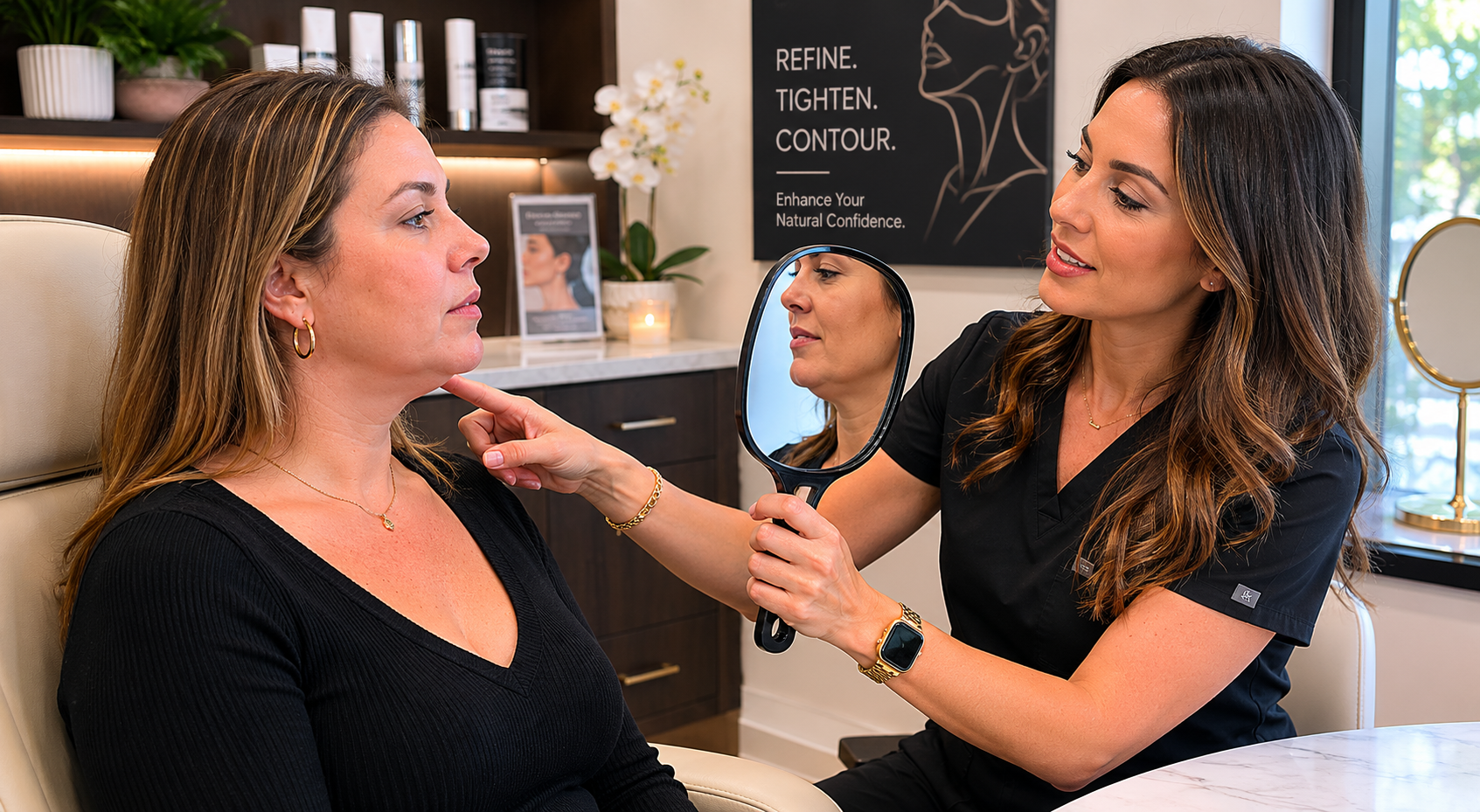
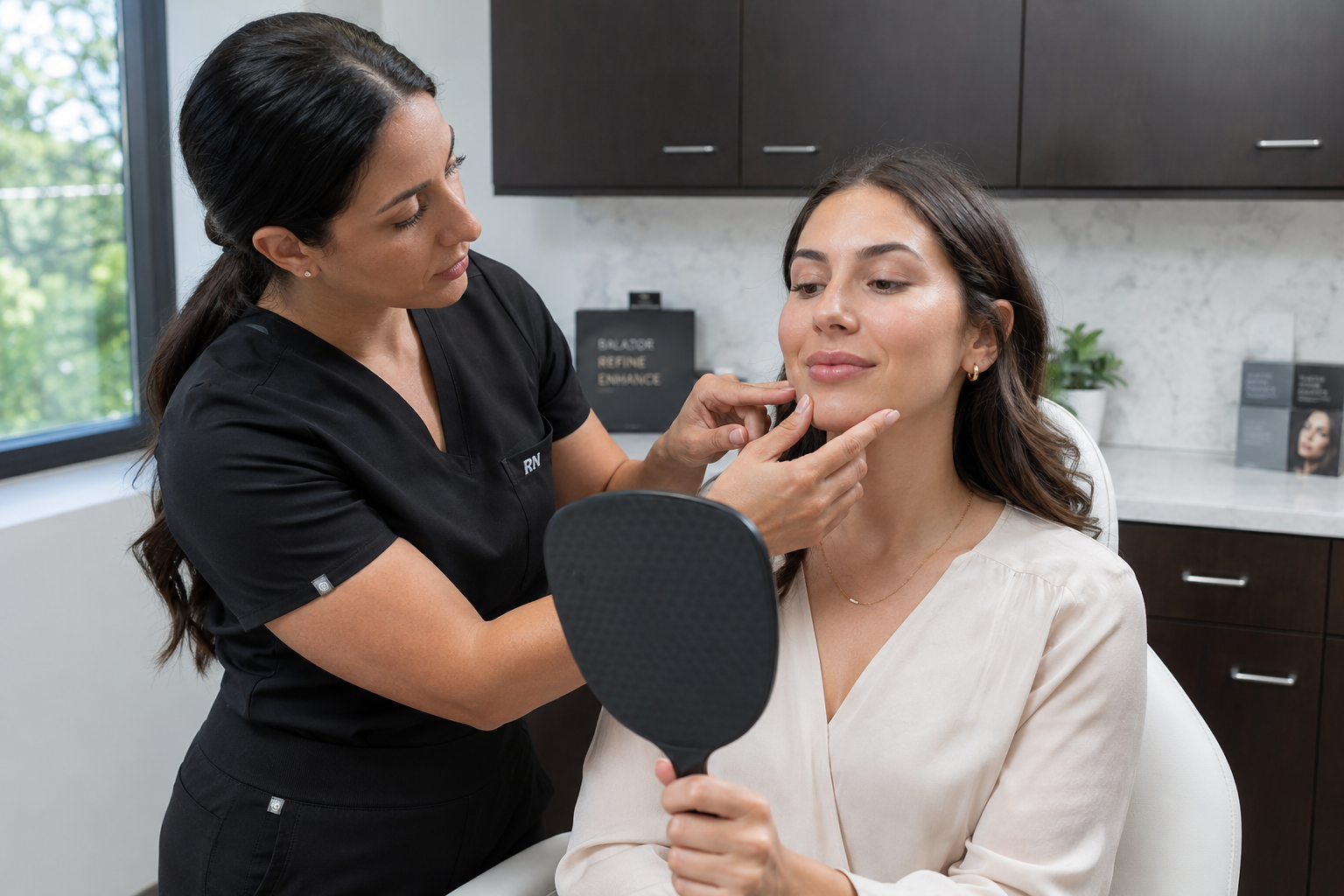
- Consult with a reputable injector—ideally an MD or nurse practitioner who specializes in facial anatomy.
- Start small. One syringe split between two areas can go a long way.
- Prioritize facial movement zones—under-eyes, nasolabial folds, marionette lines.
- Stick with hyaluronic acid fillers like JUVÉDERM® or Restylane®, which are reversible.
- Reassess annually—preventative doesn’t mean every few months.
Bonus tip: Combine with skincare! SPF and retinoids are your best filler BFFs.
What Happens If You Wait?
There’s no shame in waiting—but the longer you wait, the more correction (read: filler and cost) may be needed. Plus, untreated volume loss can accelerate wrinkles and sagging.
Early use means maintaining youthful contours with less effort over time.
Key Takeaways
- Preventative filler is real—and effective when used wisely.
- Start small, and start early—especially if you’re noticing minor volume loss.
- Choose experienced providers who understand facial anatomy and long-term aesthetics.
- Maintenance is minimal—annual tweaks beat overhaul fixes later.
- It’s not about looking “done”—it’s about preserving what you already love.
FAQs
What age should you start preventative filler?
Most providers recommend starting in your mid-to-late 20s or early 30s if you notice fine lines or volume loss. Earlier isn’t always better—timing depends on genetics and lifestyle.
Is preventative filler safe?
Yes, when administered by trained professionals using FDA-approved fillers like JUVÉDERM® or Restylane®. Always opt for a reputable medspa or clinic.
How much filler do I need for prevention?
Usually, less than 1 syringe per area is enough. The goal is subtlety—just enough to prevent early signs of aging without changing your face
Can filler be reversed if I don’t like it?
Hyaluronic acid fillers are dissolvable using an enzyme called hyaluronidase, making them a safe starting point for first-timers
What’s the difference between preventative and corrective filler?
Preventative filler aims to maintain youthful volume and delay signs of aging. Corrective filler is used later to treat deeper lines, folds, and volume loss that have already occurred.