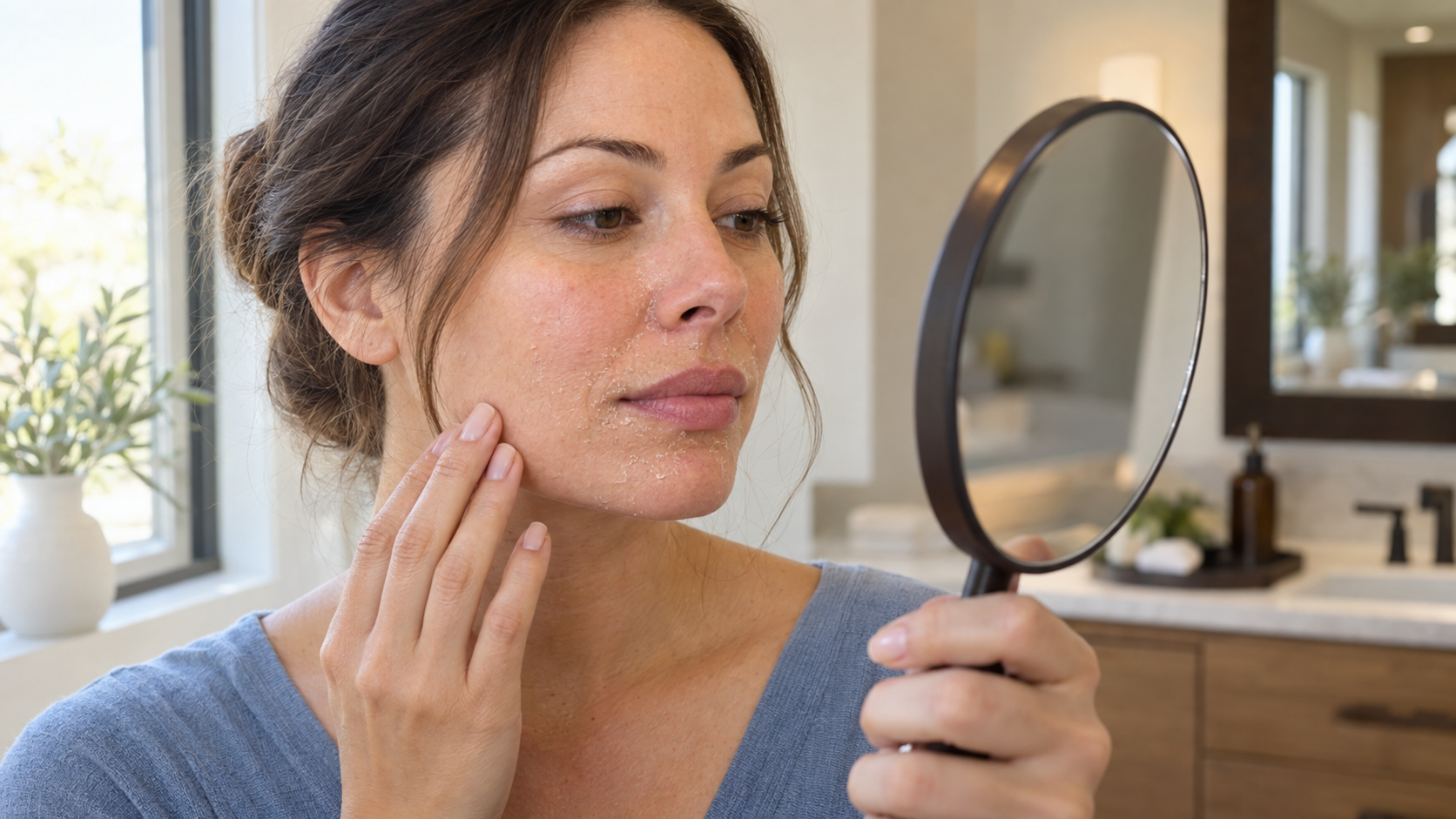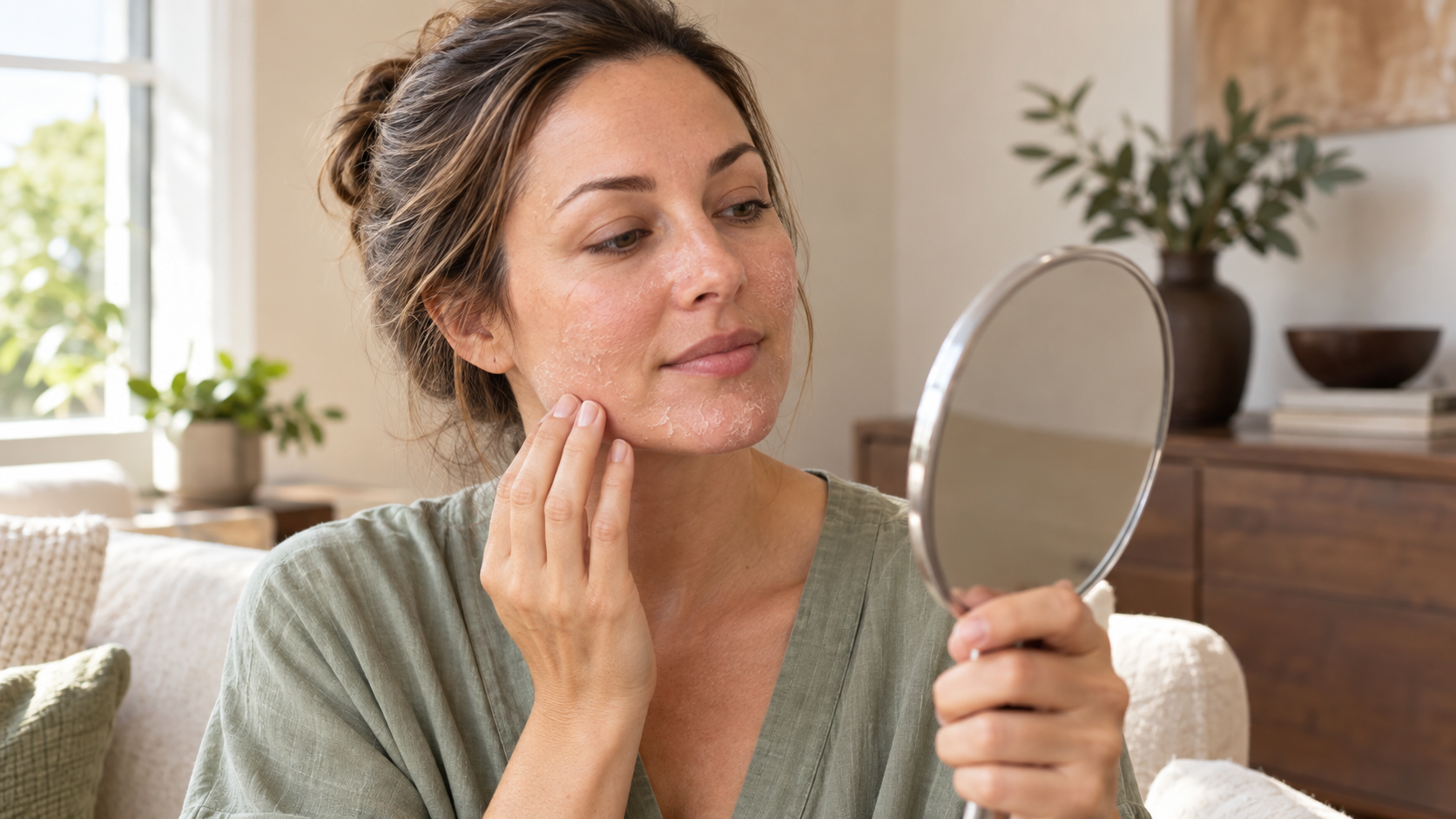
Melasma is one of the most frustrating skin conditions—marked by stubborn patches of brown or gray-brown pigmentation, often on the face. Topical creams and over-the-counter remedies may offer temporary relief, but real progress comes from professional intervention. At AlluraDerm MD Med Spa, we specialize in some of the best professional melasma treatment options that go far beyond what home products can offer.
If you’re tired of concealing pigment and ready for a real solution, here’s how our medical spa can help restore a clearer, more even complexion.
TLDR – Quick Guide
- Melasma is a chronic pigmentation disorder triggered by hormones, sun exposure, and inflammation.
- Professional treatments like chemical peels, laser therapy, and microneedling offer deeper pigment correction than OTC products.
- Customized plans at AlluraDerm combine clinical expertise and advanced technology for long-term melasma control.
- Maintenance and sun protection are essential for lasting results.
What Is Melasma—and Why Is It So Stubborn?
Melasma is often triggered by hormonal changes (like pregnancy or birth control), sun exposure, and heat. It typically shows up on the cheeks, forehead, upper lip, or chin and worsens without proper treatment. The pigmentation lies deep in the skin, making it resistant to surface-level treatments.
Jump To:
Best Professional Melasma Treatment Options
1. Chemical Peels
Professional-strength chemical peels use acids like glycolic, lactic, or trichloroacetic acid (TCA) to exfoliate skin, remove pigmented layers, and stimulate cell turnover.
Best for: Surface-level and moderate pigment
Number of sessions: 3–6, spaced 4–6 weeks apart
2. Laser Treatments (Non-Ablative)
Lasers like Cutera Enlighten™ PICO Genesis offer gentle, non-ablative pigment correction without damaging surrounding tissue. They break up melanin clusters and encourage natural skin repair.
Best for: Deep or stubborn melasma resistant to peels
Number of sessions: 3–5, with minimal downtime
3. Microneedling with Brightening Serums or PRP
Microneedling creates micro-channels in the skin to deliver melanin-inhibiting serums deep into the dermis. It also stimulates collagen and evens skin tone over time.
Best for: Combination therapy for improved texture and tone
Number of sessions: 3–6, spaced 4–6 weeks apart
4. Prescription-Grade Topicals
While not a standalone fix, prescription creams with ingredients like hydroquinone, tretinoin, or tranexamic acid are often used in conjunction with in-office treatments.
Best for: Daily maintenance and post-treatment support
5. IPL (Intense Pulsed Light)
For certain skin types, IPL can help reduce pigmentation—but it must be used carefully. In some cases, IPL may worsen melasma, so an expert consultation is essential.
Best for: Very selective cases and supervised protocols
Why Choose AlluraDerm for Melasma Treatment?
- Medical Expertise: Treatments are administered by licensed providers with deep knowledge of skin conditions.
- Customized Protocols: No one-size-fits-all approach. We evaluate your skin type, pigment depth, and triggers before starting treatment.
- Advanced Technology: We use safe, cutting-edge tools designed for pigment correction and skin renewal.
- Long-Term Management: Melasma can recur—our focus is not just on removal, but prevention.
Key Takeaways
- Melasma is a deep-rooted skin condition that requires clinical treatment for noticeable results.
- The best professional melasma treatment options include chemical peels, laser therapy, microneedling, and prescription support.
- Results require consistency, expertise, and long-term care.
- At AlluraDerm, we offer proven, patient-specific treatments to help reduce discoloration and restore radiant skin.
FAQs
1. Can melasma be permanently removed?
Melasma can be significantly improved but tends to be chronic. Maintenance and sun protection are key to keeping it under control.
2. Are laser treatments safe for melasma?
Yes—with the right technology and provider. We use melasma-safe lasers like PICO Genesis to avoid rebound pigmentation.
3. How long until I see results?
Most clients see visible improvement after 3–4 sessions. Full results often develop over several months.
4. Will it come back?
It can. Hormonal changes, heat, and sun exposure can trigger recurrence. We’ll help you develop a prevention plan.
5. Is melasma more common in certain skin types?
Yes. Melasma is more prevalent in medium to darker skin tones, and our treatment protocols are customized accordingly.