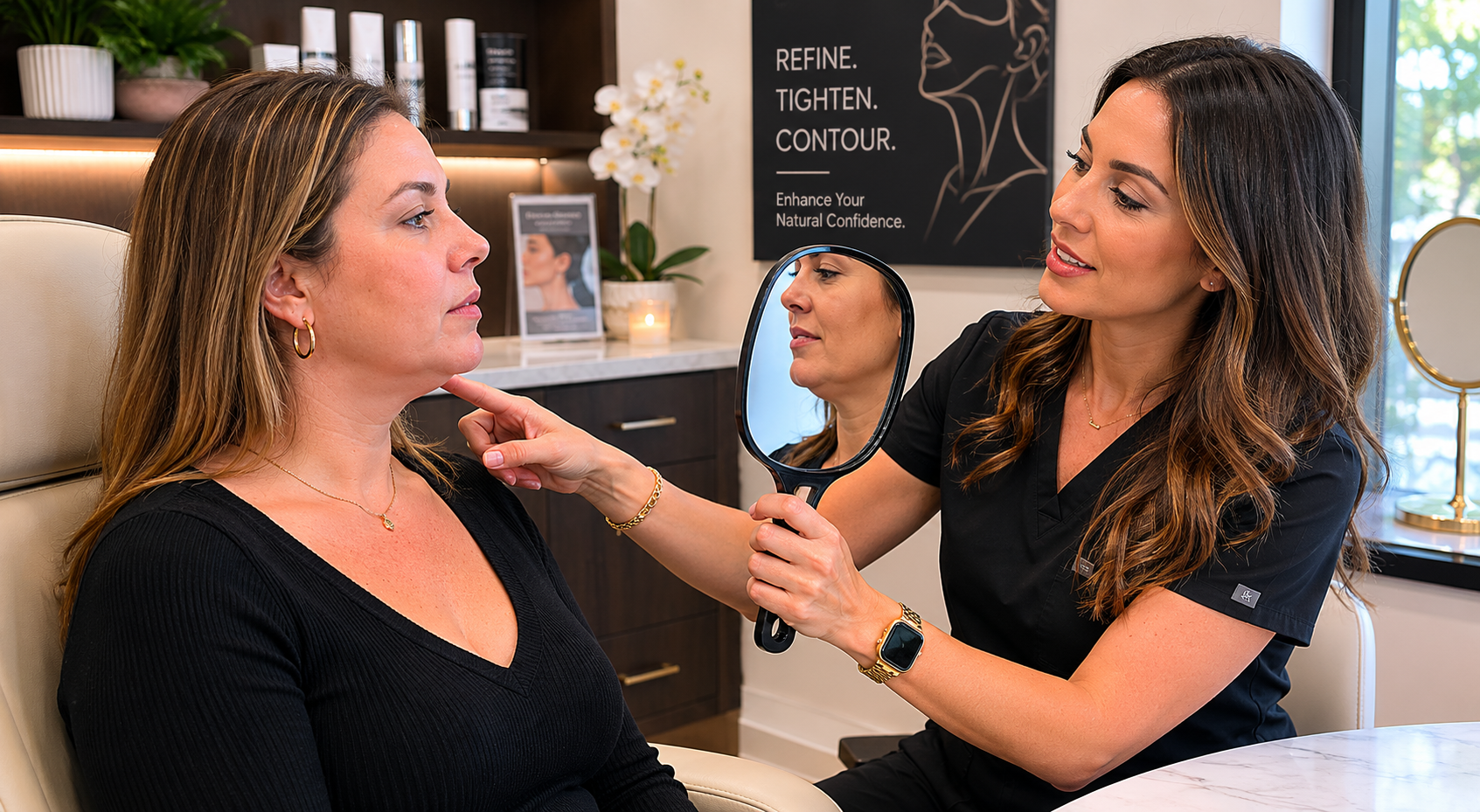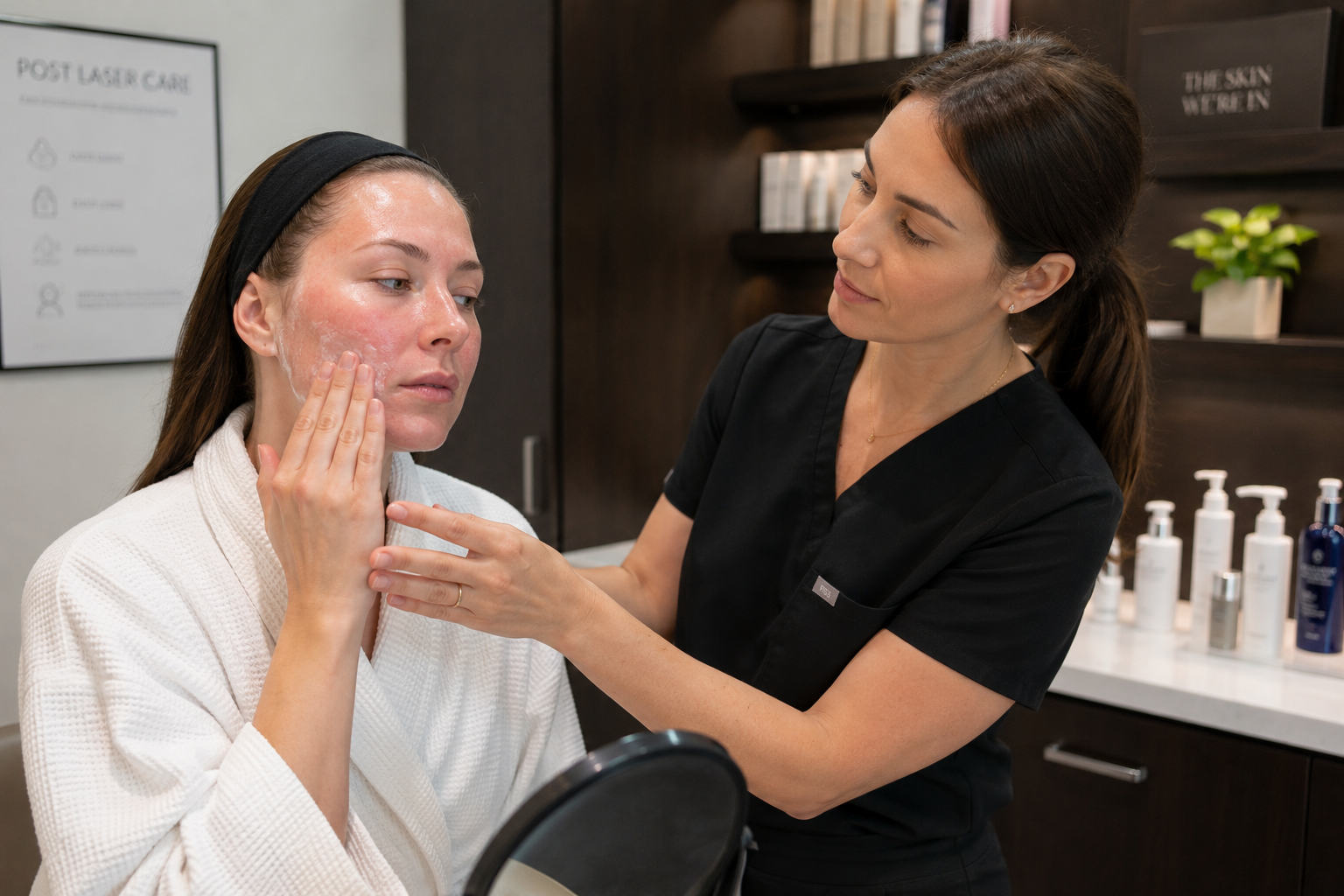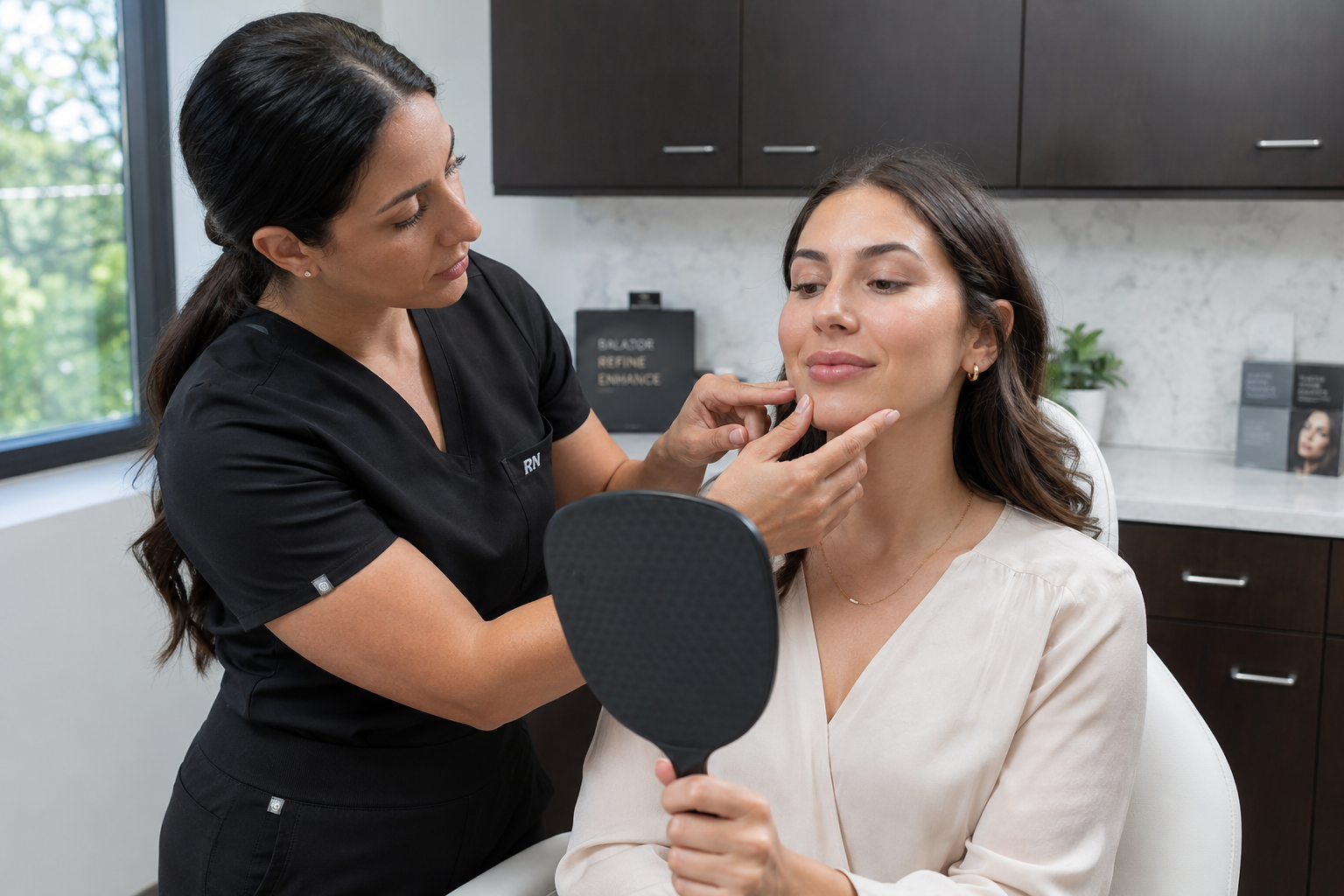
When people search for smokers face before and after quitting, they’re often hoping for visible proof that stopping smoking will reverse years of skin damage. The truth is encouraging—but nuanced. Quitting smoking does trigger real skin recovery, yet some damage requires professional support to fully restore tone, texture, and volume. This guide explains what changes naturally, what doesn’t, and how targeted treatments can help accelerate healthier-looking skin.
Jump To:
- TLDR Quick Guide
- What Causes “Smoker’s Face” in the First Place
- Smoker’s Face Before Quitting: Common Signs
- Smoker’s Face After Quitting: What Improves Naturally
- What Quitting Smoking Can’t Fully Fix on Its Own
- Where Professional Treatments Make the Biggest Difference
- Why Timing Matters After Quitting
- Key Takeaways
- FAQs
TLDR Quick Guide
- Quitting smoking improves circulation and skin oxygenation
- Some damage reverses naturally, some does not
- Fine lines may soften, but deep wrinkles often remain
- Skin texture and tone usually improve first
- Professional treatments can dramatically enhance results
What Causes “Smoker’s Face” in the First Place
Reduced Blood Flow and Oxygen
Smoking restricts blood vessels, limiting oxygen and nutrients to the skin. This causes dullness, uneven tone, and slower cell turnover. Over time, skin loses its healthy glow.
Collagen and Elastin Breakdown
Nicotine accelerates collagen degradation while slowing new production. This leads to premature wrinkles, especially around the mouth and eyes. The damage compounds with years of exposure.
Smoker’s Face Before Quitting: Common Signs
Fine Lines and Deep Wrinkles
Vertical lip lines and crow’s feet are hallmark signs. These wrinkles form faster due to repetitive muscle movement combined with collagen loss. Makeup often settles into these lines.
Uneven Texture and Grayish Tone
Skin often appears rough, dehydrated, and uneven. A gray or sallow complexion is common due to poor circulation. This effect is usually most noticeable in the cheeks and around the mouth.
Smoker’s Face After Quitting: What Improves Naturally
Circulation and Color Recovery
Within weeks of quitting, blood flow improves. Skin tone becomes brighter and more even. Many people notice a healthier glow within the first few months.
Improved Hydration and Healing
The skin’s barrier function strengthens over time. Hydration improves, and healing speeds up. Breakouts and irritation may decrease as inflammation lowers.
What Quitting Smoking Can’t Fully Fix on Its Own
Deep Wrinkles and Volume Loss
Long-standing wrinkles and hollowing don’t disappear automatically. Collagen loss takes years to rebuild—if it rebuilds at all. This is where professional treatments become valuable.
Texture Damage and Pigmentation
Sun damage combined with smoking often leaves lasting texture irregularities. Quitting stops progression, but existing damage may persist. Targeted skin treatments help correct this.
Where Professional Treatments Make the Biggest Difference
Skin Quality and Texture Restoration
Treatments from facials and laser services help resurface skin and stimulate collagen. These options address rough texture, discoloration, and dullness. Results are cumulative and improve over time.
Softening Lines Without Overfilling
Neuromodulators like Botox relax overactive muscles contributing to smoker’s lines. Strategic use of neurotoxins preserves expression while reducing harsh creases. This is especially effective around the mouth and eyes.
Restoring Lost Volume and Structure
Volume loss around the cheeks and lips is common after long-term smoking. Subtle correction using fillers and other injectables restores balance without looking overdone. The goal is support—not exaggeration.
Why Timing Matters After Quitting
Early Treatment Enhances Natural Recovery
The first year after quitting is when skin responds best to stimulation. Treatments amplify your body’s own repair processes. This often leads to better long-term outcomes.
Personalized Plans Work Best
No two patients recover the same way. At AlluraDerm, treatment plans are adjusted based on skin condition, history, and goals. Customization prevents overtreatment and improves results.
Key Takeaways
- Quitting smoking improves skin health, but doesn’t erase all damage
- Circulation and tone often improve first
- Deep wrinkles and volume loss usually need professional care
- Modern aesthetic treatments can significantly enhance recovery
- Personalized treatment plans deliver the most natural results
FAQs
How long after quitting smoking does skin improve?
Circulation improves within weeks, often brightening skin tone quickly. Texture and hydration continue improving over several months. Deeper changes take longer and may need treatment support.
Will smoker’s lines go away after quitting?
Some fine lines may soften, but deep wrinkles usually remain. Collagen loss is difficult to reverse naturally. Professional treatments provide more noticeable improvement.
Is it better to wait before getting aesthetic treatments after quitting?
Not necessarily—early intervention can enhance recovery. Providers often recommend waiting until inflammation stabilizes. A consultation helps determine the right timing.
Can fillers make smoker’s face look unnatural?
Only if overdone or poorly planned. Skilled providers use subtle placement to restore structure. Natural results focus on balance, not volume.
What’s the best first treatment after quitting smoking?
Skin resurfacing or neuromodulators are common starting points. They improve texture and soften expression lines. A consultation determines the best sequence.