Uneven skin tone and redness are among the most common concerns patients bring to medspas. These issues can be caused by sun exposure, aging, broken capillaries, or underlying skin conditions like rosacea.
The challenge is that many over-the-counter products only address surface symptoms, offering minimal or temporary improvement. This is where IPL stands out—it targets the underlying causes of discoloration within the skin.
At medically guided clinics like AlluraDerm, IPL is often part of a broader skin rejuvenation plan, alongside services like facials and laser services to enhance overall skin health and long-term results.
Jump To:
TLDR Quick Guide
- Reduces redness and broken capillaries
- Improves uneven skin tone and pigmentation
- Minimizes sun damage and age spots
- Boosts collagen for smoother skin
- Requires minimal downtime
IPL is one of the most efficient ways to restore clarity and balance to your skin.
What Is an IPL Photo Facial?
How IPL Technology Works
IPL (Intense Pulsed Light) uses broad-spectrum light energy to penetrate the skin and target pigment and blood vessels. The light is absorbed by dark spots or redness, breaking them down so the body can naturally eliminate them.
This process improves overall skin tone while stimulating collagen production, which helps enhance texture and firmness.
What Conditions IPL Treats
IPL is commonly used to treat:
- Redness and rosacea
- Sun spots and age spots
- Uneven skin tone
- Broken capillaries
It’s a versatile treatment that addresses multiple concerns at once, making it highly efficient.
Top Reasons to Get an IPL Photo Facial
Reduces Redness and Rosacea
One of the biggest reasons to get IPL photo facial treatments is its ability to target redness at the source. IPL reduces visible blood vessels and calms inflamed skin.
Over time, this leads to a more even and balanced complexion.
Corrects Uneven Skin Tone
Uneven pigmentation can make the skin appear dull or aged. IPL works by breaking down dark spots and encouraging the skin to regenerate more evenly.
Patients often notice brighter, more uniform skin after just a few sessions.
Reverses Sun Damage
Sun exposure is one of the leading causes of skin discoloration. IPL helps fade sun spots and pigmentation caused by UV damage.
This makes it a popular choice for patients looking to restore a more youthful appearance.
Stimulates Collagen Production
Beyond correcting discoloration, IPL also stimulates collagen production. This helps improve skin texture, firmness, and elasticity.
As a result, patients not only see clearer skin but also smoother and more youthful-looking skin.
Minimal Downtime and Fast Results
One of the most appealing aspects of IPL is that it requires little to no downtime. Most patients can return to their daily activities immediately after treatment.
This makes it an ideal option for individuals with busy schedules who still want noticeable results.
What to Expect During and After Treatment
During the Procedure
IPL treatments are relatively quick and typically take 20–45 minutes depending on the treatment area. Patients may feel a mild snapping sensation during the procedure.
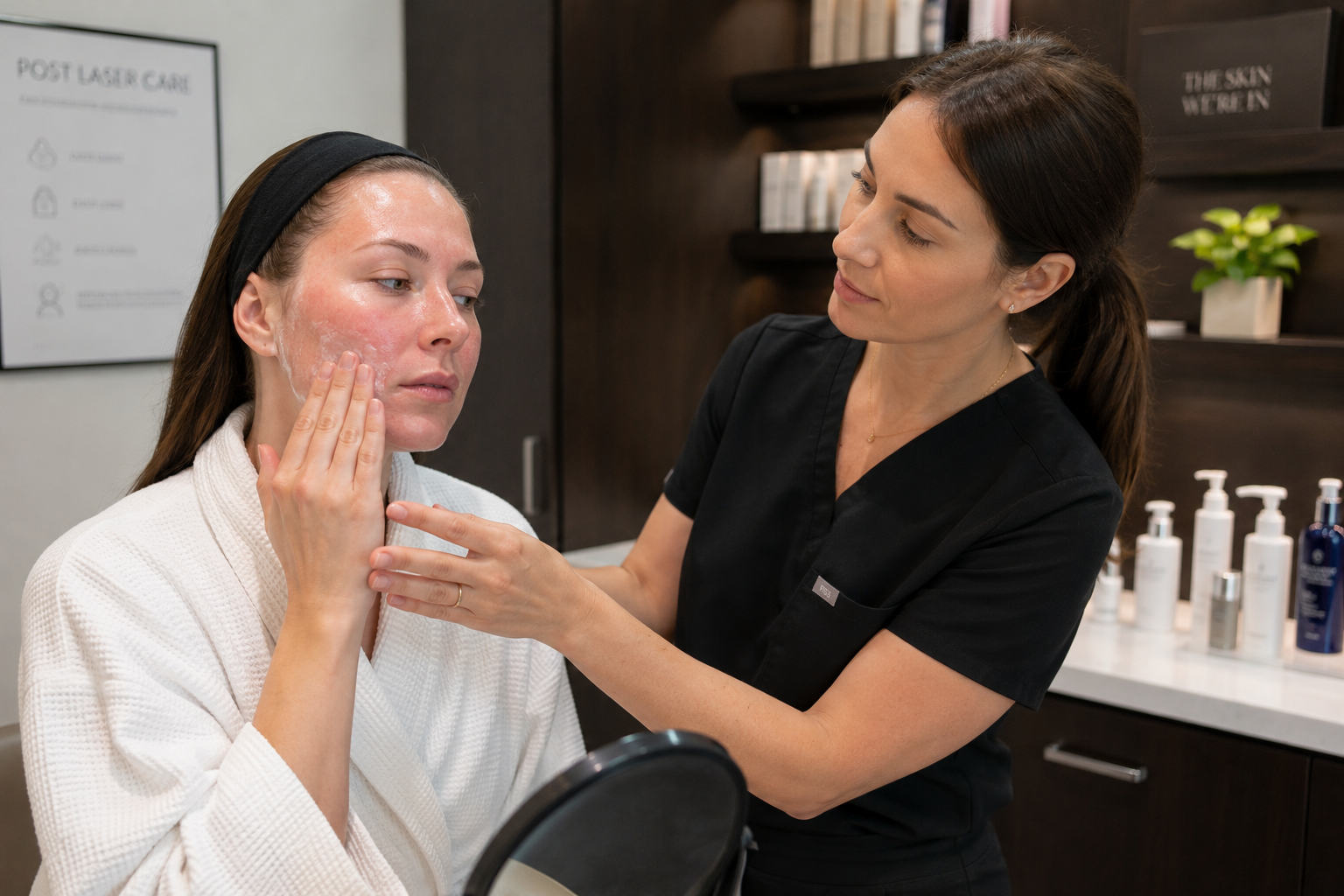
Most providers apply a cooling gel to improve comfort.
After the Treatment
After IPL, the skin may appear slightly red or sensitive for a short period. Dark spots may temporarily darken before flaking off as the skin heals.
Results gradually improve over several weeks as the body processes the treated pigment.
Combining IPL with Other Treatments
Enhancing Results with Complementary Services
Many patients combine IPL with other treatments for enhanced results. For example, combining IPL with neurotoxins can address both skin tone and dynamic wrinkles.
This approach provides a more comprehensive facial rejuvenation outcome.
Full-Face Rejuvenation Approach
For patients seeking more advanced results, IPL can also be paired with treatments like fillers and injectables to restore lost volume and improve facial contours.
Combining treatments allows providers to customize results based on each patient’s goals.
Who Is a Good Candidate for IPL?
Ideal Candidates
IPL works best for individuals with:
- Mild to moderate redness
- Sun damage or pigmentation
- Uneven skin tone
It is particularly effective for lighter skin tones with visible discoloration.
When IPL May Not Be Suitable
IPL may not be ideal for individuals with very dark skin tones or certain medical conditions. A professional consultation is necessary to determine eligibility.
This ensures both safety and optimal results.
Key Takeaways
- A major reason to get IPL photo facial treatments is its ability to target redness and uneven skin tone.
- IPL works below the surface to correct pigmentation and vascular issues.
- The treatment also stimulates collagen for improved skin texture.
- Minimal downtime makes IPL a convenient option for busy individuals.
- Combining IPL with other treatments enhances overall results.
FAQs
How many IPL treatments are needed?
Most patients require a series of 3 to 5 treatments for optimal results. The exact number depends on the severity of skin concerns and individual response to treatment. Maintenance sessions may be recommended to sustain results.
Does IPL hurt?
IPL treatments are generally well tolerated by most patients. The sensation is often described as a quick snap against the skin. Cooling techniques are typically used to enhance comfort during the procedure.
How long do IPL results last?
Results can last several months to a year depending on lifestyle and skincare habits. Sun protection plays a major role in maintaining results. Regular maintenance treatments can extend the benefits.
Can IPL treat acne or acne scars?
IPL can help reduce redness associated with acne but is not the primary treatment for deep acne scars. It works best for pigmentation and vascular concerns. Other treatments may be recommended for scarring.
Is there downtime after IPL?
There is minimal downtime after IPL treatments. Some redness and sensitivity may occur but typically resolve quickly. Most patients return to normal activities the same day.