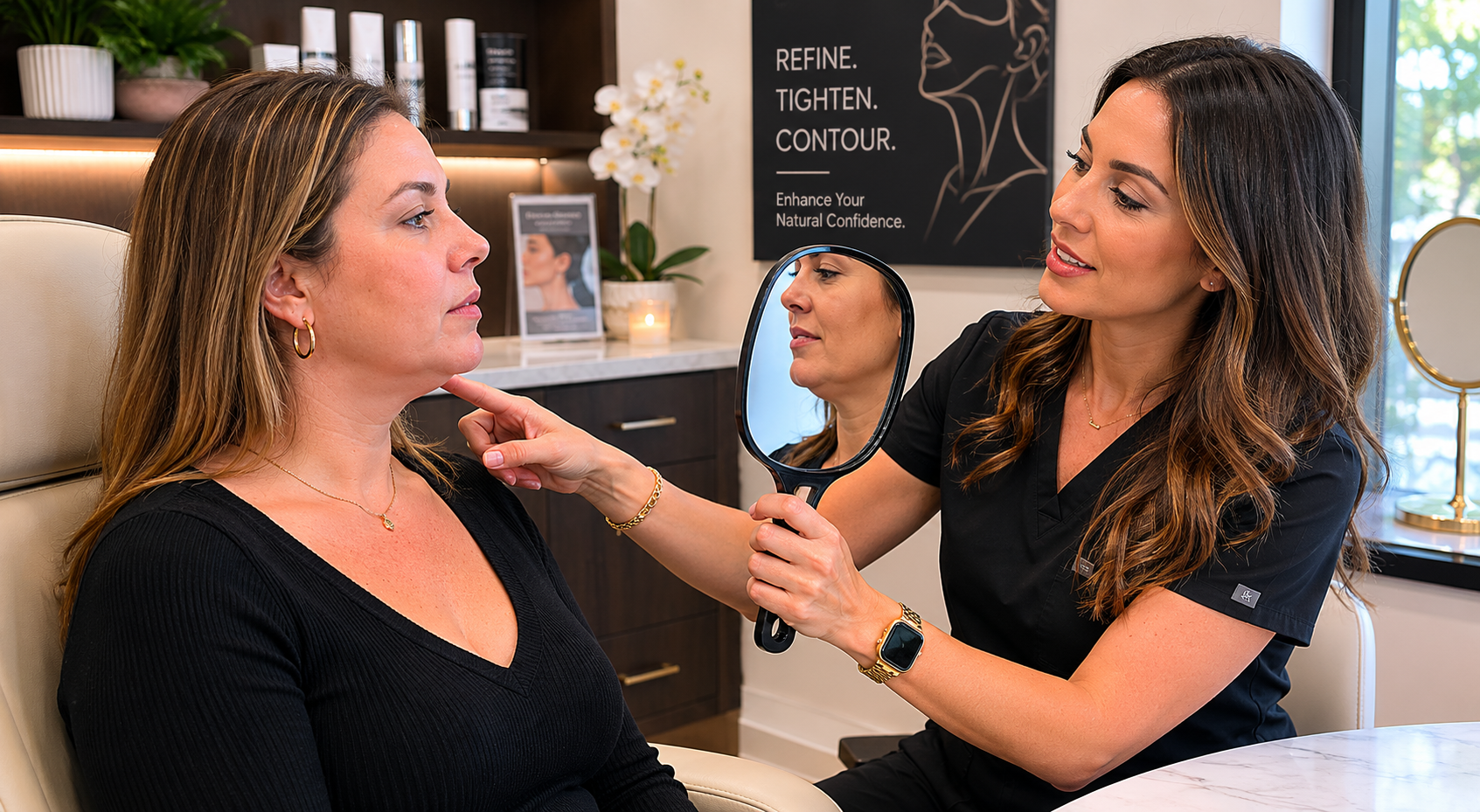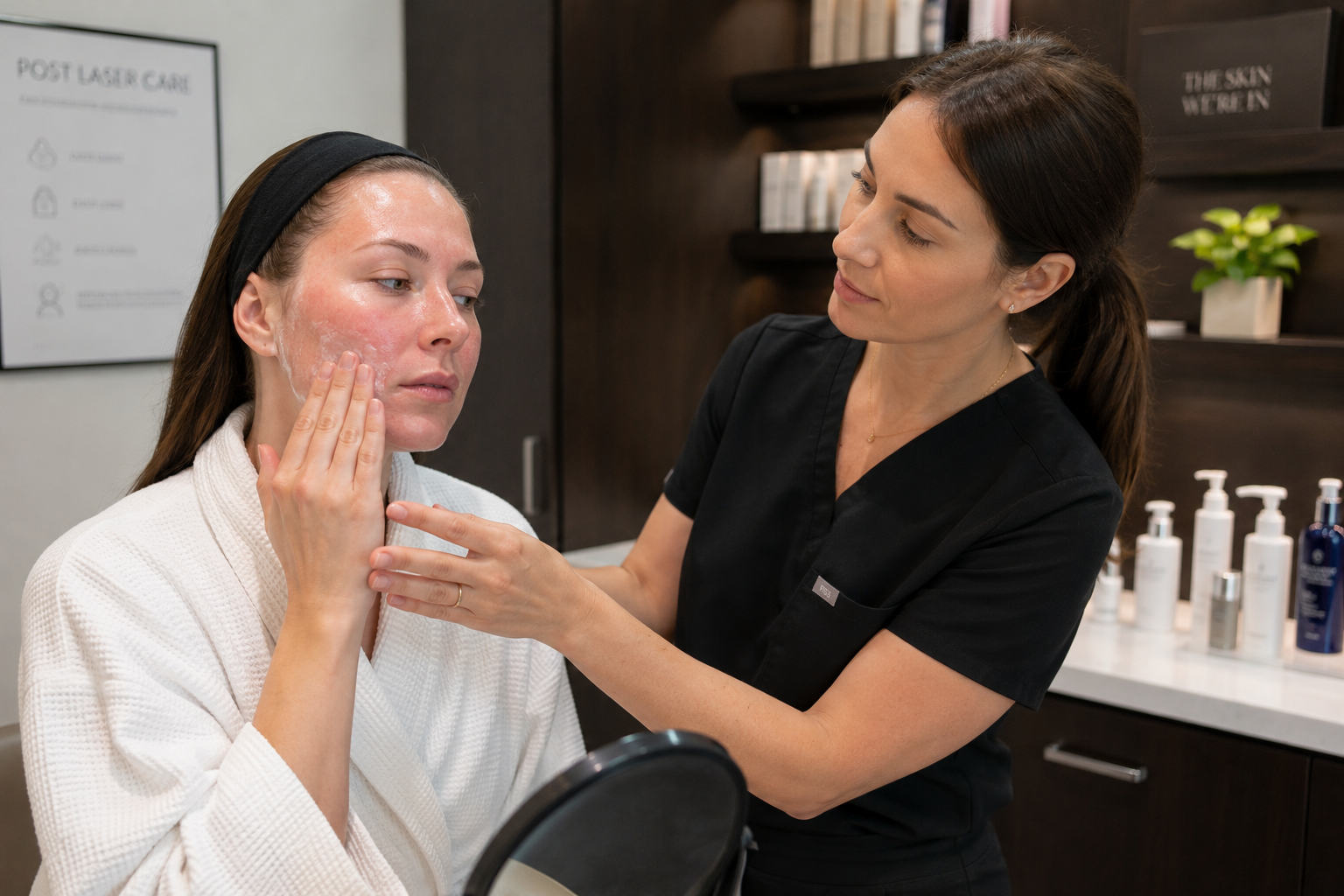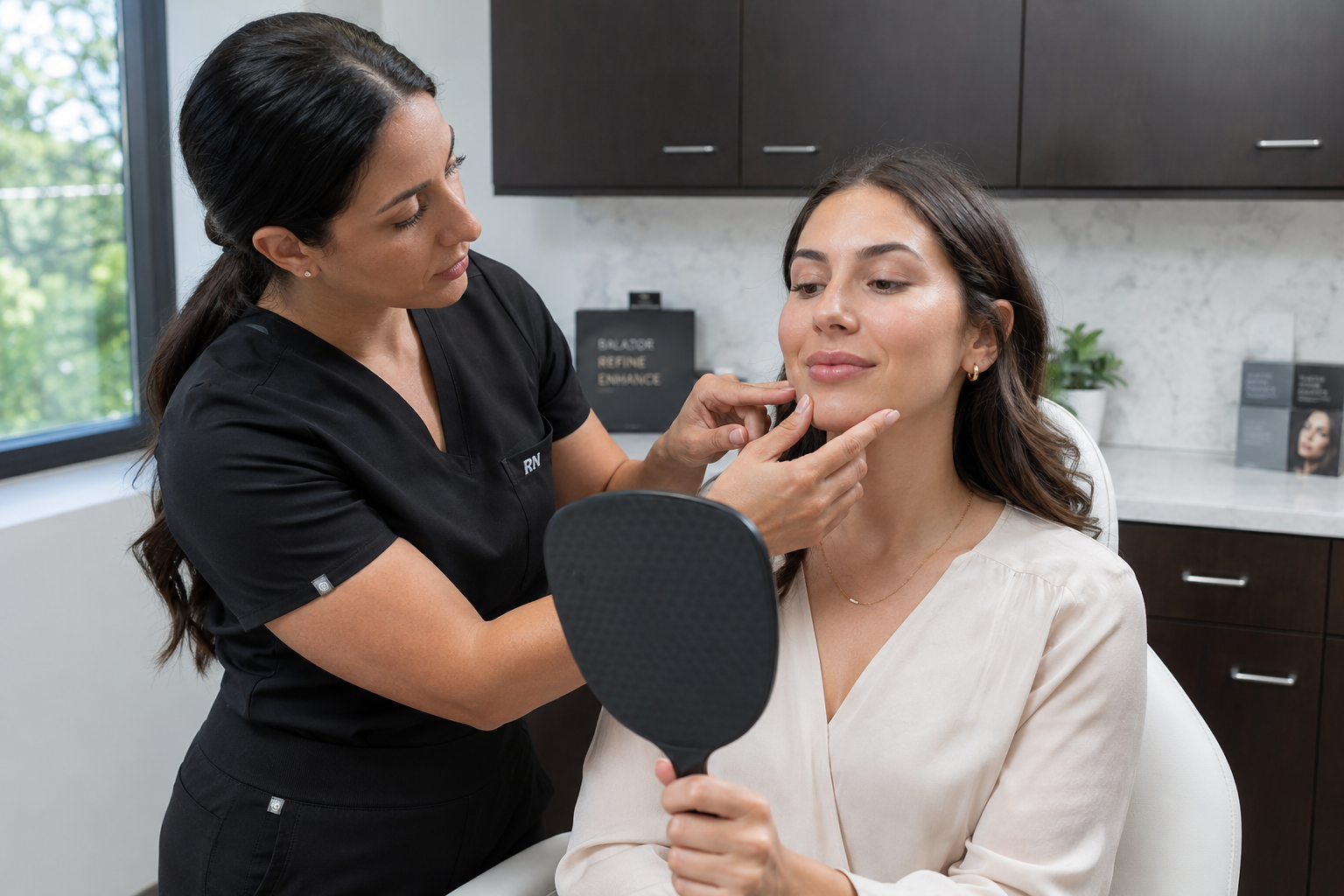
Regenerative aesthetics is quickly becoming one of the most sought-after approaches in modern skincare, and PDGF treatments are at the center of this shift. PDGF, or Platelet-Derived Growth Factor, is a powerful component used to stimulate collagen production, accelerate skin repair, and improve overall skin quality.
Unlike traditional treatments that focus only on surface-level results, PDGF works beneath the skin to activate natural healing processes. This makes it especially effective for improving texture, reducing fine lines, and restoring a more youthful appearance over time.
However, one of the most common questions patients ask is: how many sessions are needed before results become visible?
The answer depends on several factors, including your skin condition, treatment goals, and whether PDGF is combined with other services like facials & laser services for enhanced results. Understanding the treatment timeline helps set realistic expectations and ensures you get the most out of your investment.
Jump To:
TLDR Quick Guide
- Most patients need 3–4 PDGF treatments for visible improvements.
- Initial skin changes may appear within 2–3 weeks.
- Full results develop over 8–12 weeks as collagen builds.
- Maintenance treatments help sustain results long term.
- PDGF is often combined with treatments like fillers & other injectables for optimal outcomes.
Consistency is key—PDGF works gradually by stimulating natural regeneration.
What Are PDGF Treatments and How Do They Work?
The Science Behind PDGF
PDGF (Platelet-Derived Growth Factor) is a naturally occurring protein in the body that plays a crucial role in healing and tissue regeneration. In aesthetic treatments, PDGF is used to stimulate fibroblast activity, which leads to increased collagen and elastin production.
This process improves skin elasticity, reduces fine lines, and enhances overall skin texture. Unlike treatments that deliver instant but temporary results, PDGF works progressively, improving the skin from within.
Because of its regenerative nature, PDGF is often used alongside advanced treatments such as microneedling or laser therapies to maximize absorption and effectiveness.
Why PDGF Is Different From Traditional Treatments
Traditional treatments like neurotoxins or fillers typically provide immediate visible changes. PDGF, however, focuses on long-term skin health by encouraging your body to rebuild and repair itself.
For example, while neurotoxins relax muscles to reduce wrinkles, PDGF improves the quality of the skin itself. This makes it an ideal choice for patients seeking natural, gradual improvements rather than quick fixes.
How Many PDGF Treatments Do You Need?
Standard Treatment Protocol
Most patients require a series of 3 to 4 PDGF treatments spaced several weeks apart to achieve noticeable results. This allows the skin to respond to each session and build collagen progressively.
Each treatment builds on the previous one, enhancing the skin’s ability to regenerate and repair itself. Skipping sessions or spacing them too far apart can reduce effectiveness.
Consistency is critical when it comes to regenerative treatments.
When You’ll Start Seeing Results
While PDGF does not produce instant results, many patients begin to notice subtle improvements within the first few weeks. Skin may appear smoother, more hydrated, and slightly firmer.
More significant changes—such as improved texture, reduced fine lines, and enhanced elasticity—typically become visible after multiple sessions. Full results often develop over a period of 2 to 3 months.
Patience is essential, as PDGF works by stimulating natural biological processes.
Factors That Affect Your Results
Skin Condition and Age
Your starting point plays a major role in how quickly you see results. Younger patients or those with minimal skin damage may notice improvements faster than individuals with more advanced signs of aging.
Skin concerns such as acne scars, sun damage, or deep wrinkles may require additional treatments to achieve optimal results.
Each patient’s response to PDGF is unique.
Combination Treatments
PDGF treatments are often combined with other services to enhance results. For example, pairing PDGF with microneedling or laser treatments can improve absorption and accelerate collagen production.
Some patients also incorporate complementary aesthetic services to address multiple concerns at once. This combination approach often leads to more comprehensive and noticeable improvements.
What to Expect During the Treatment Process
Before the Treatment
A consultation is typically the first step, where a provider evaluates your skin and determines whether PDGF is the right option for your goals. At AlluraDerm, personalized treatment plans ensure that each patient receives targeted care based on their needs.
Patients may be advised to avoid certain skincare products or medications prior to treatment.
After the Treatment
Following treatment, mild redness or sensitivity may occur, especially if PDGF is combined with microneedling or laser procedures. These effects are usually temporary and subside within a few days.
Over the following weeks, the skin gradually improves as collagen production increases. Results continue to develop with each session.
Long-Term Benefits of PDGF Treatments
Gradual, Natural-Looking Improvements
One of the biggest advantages of PDGF treatments is the natural progression of results. Because improvements occur gradually, the skin appears refreshed rather than dramatically altered.
This aligns with the growing demand for subtle, natural-looking aesthetic outcomes.
Improved Skin Health Over Time
PDGF not only improves appearance but also enhances overall skin health. Increased collagen and elastin production strengthen the skin’s structure, making it more resilient over time.
With proper maintenance, results can last longer and continue improving with additional treatments.
Key Takeaways
- PDGF treatments typically require 3–4 sessions for visible results.
- Improvements develop gradually over several weeks.
- Full results appear within 2–3 months as collagen production increases.
- Combination treatments can enhance overall outcomes.
- Consistency and proper maintenance are essential for long-term benefits.
FAQs
How many PDGF treatments are needed for best results?
Most patients need a series of 3 to 4 treatments to see noticeable improvements. Each session builds on the previous one to stimulate collagen production. Following the recommended schedule helps maximize results.
How long does it take to see results from PDGF treatments?
Initial improvements may appear within a few weeks after the first treatment. More significant changes typically develop over 8 to 12 weeks. Results continue improving as collagen production increases.
Are PDGF treatments better than fillers?
PDGF treatments and fillers serve different purposes. Fillers provide immediate volume, while PDGF improves skin quality over time. Many patients combine both treatments for optimal results.
Do PDGF treatments hurt?
Most patients experience minimal discomfort during PDGF treatments. Numbing agents are often used to improve comfort during the procedure. Any post-treatment sensitivity is usually mild and temporary.
How long do PDGF results last?
Results can last several months depending on your skin condition and maintenance routine. Regular treatments help sustain and enhance results over time. Proper skincare also plays a role in prolonging benefits.