Microneedling is often described as a “do-it-all” skin treatment—but that reputation can create unrealistic expectations. While microneedling delivers impressive improvements for texture, tone, and early aging, it isn’t designed to solve every skin concern on its own. Understanding what microneedling can and cannot improve helps patients choose smarter treatment plans and avoid disappointment. This guide breaks down the real benefits, limitations, and best use cases.
Jump To:
- TLDR Quick Guide
- How Microneedling Works at a Skin Level
- What Microneedling Can Improve
- What Microneedling Cannot Improve on Its Own
- Why Microneedling Excels for Early Aging
- How Many Treatments Are Typically Needed
- Combining Microneedling With Other Treatments
- Who Is a Good Candidate for Microneedling
- Key Takeaways
- FAQs
TLDR Quick Guide
- Microneedling improves texture, mild scarring, and early aging
- It stimulates collagen, not instant volume
- Best for uneven tone, fine lines, and skin quality
- Not ideal for deep wrinkles or severe laxity alone
- Results improve when combined with other treatments
How Microneedling Works at a Skin Level
Controlled Micro-Injuries Trigger Collagen
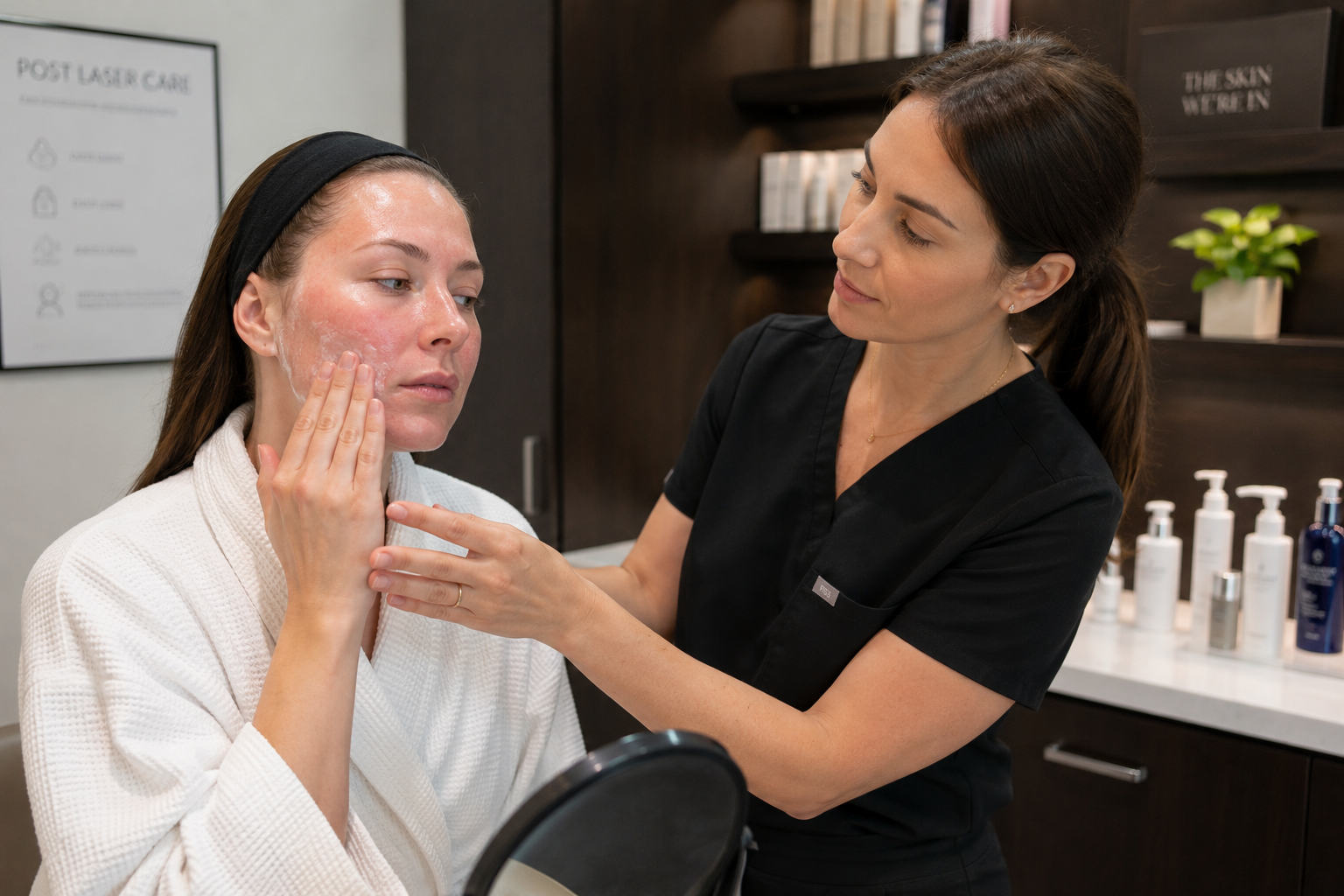
Microneedling uses fine needles to create tiny channels in the skin. These micro-injuries stimulate the body’s natural wound-healing response. Over time, this increases collagen and elastin production.
Why Collagen Matters for Texture and Tone
Collagen provides structure, smoothness, and resilience. As collagen rebuilds, skin appears firmer and more refined. This is why microneedling works gradually rather than instantly.
What Microneedling Can Improve
Uneven Skin Texture
Microneedling is highly effective for rough, uneven skin texture. It helps soften acne scars, enlarged pores, and surface irregularities. Skin feels smoother after a series of treatments.
Mild to Moderate Acne Scarring
Shallow acne scars respond well to microneedling. Repeated collagen stimulation helps raise depressed areas over time. Deeper scars may require combination treatments.
Early Fine Lines
Microneedling improves fine lines caused by collagen loss. It’s especially effective around the cheeks, jawline, and forehead. Early aging signs respond best.
Dull or Uneven Skin Tone
By accelerating cell turnover, microneedling improves brightness. It can help fade mild discoloration and sun damage. Tone becomes more even with consistent treatments.
What Microneedling Cannot Improve on Its Own
Deep Wrinkles and Advanced Aging
Microneedling does not replace volume loss. Deep lines and folds require structural support. Treatments like fillers and other injectables are better suited for those concerns.
Significant Skin Laxity
Loose or sagging skin needs tightening technologies or injectable support. Microneedling strengthens skin quality but won’t lift tissue dramatically. Expectations should match the mechanism.
Severe Pigmentation Disorders
While microneedling helps mild discoloration, deeper pigment conditions often require lasers or medical-grade treatments. Services within facials and laser services may be more effective.
Why Microneedling Excels for Early Aging
Prevention Over Correction
Microneedling works best as a preventative strategy. Starting early slows visible aging by maintaining collagen. It supports skin before deeper damage occurs.
Natural, Gradual Results
Results develop over weeks, not days. Skin improves without looking “treated.” This makes microneedling popular for patients seeking subtle refinement.
How Many Treatments Are Typically Needed
Series vs Single Session
Most patients need a series of 3–6 treatments. Collagen builds gradually with each session. Single treatments offer temporary glow but limited structural change.
Maintenance for Long-Term Results
Maintenance treatments every few months preserve results. Consistency matters more than intensity. Skin health is cumulative.
Combining Microneedling With Other Treatments
When Combination Therapy Makes Sense
Microneedling pairs well with injectables, lasers, and skin tightening. Combining treatments targets multiple layers of aging. This approach delivers more comprehensive results.
Examples of Complementary Treatments
- Injectables for volume support
- Lasers for pigment correction
- Medical facials for surface refinement
- Wellness-based approaches like weight management to support overall skin health
Who Is a Good Candidate for Microneedling
Ideal Candidates
Patients with early aging, texture concerns, or acne scarring benefit most. Those seeking natural improvement often choose microneedling. It works well across many skin types when performed correctly.
Who May Need Alternatives
Patients with active acne, severe laxity, or advanced wrinkles may need different treatments. A professional assessment ensures the right approach. Treatment plans should be personalized.
Key Takeaways
- Microneedling improves texture, tone, and early aging
- It stimulates collagen, not instant volume
- Best for prevention and refinement
- Limited for deep wrinkles and laxity
- Combination treatments enhance results
FAQs
How long does it take to see microneedling results?
Initial glow appears within days. Structural improvements develop over several weeks. Full results require multiple sessions.
Can microneedling tighten loose skin?
It improves firmness but doesn’t significantly lift skin. Collagen stimulation helps mild laxity. Advanced sagging needs other treatments.
Is microneedling safe for all skin tones?
When performed correctly, yes. Proper depth and technique are essential. Professional treatment reduces risk of pigmentation issues.
Does microneedling replace fillers or Botox?
No—each treatment addresses different concerns. Microneedling improves skin quality, while injectables address movement and volume. Many patients benefit from both.
How often should microneedling be done?
Treatments are typically spaced 4–6 weeks apart. Maintenance sessions extend results. Your provider will customize the schedule.