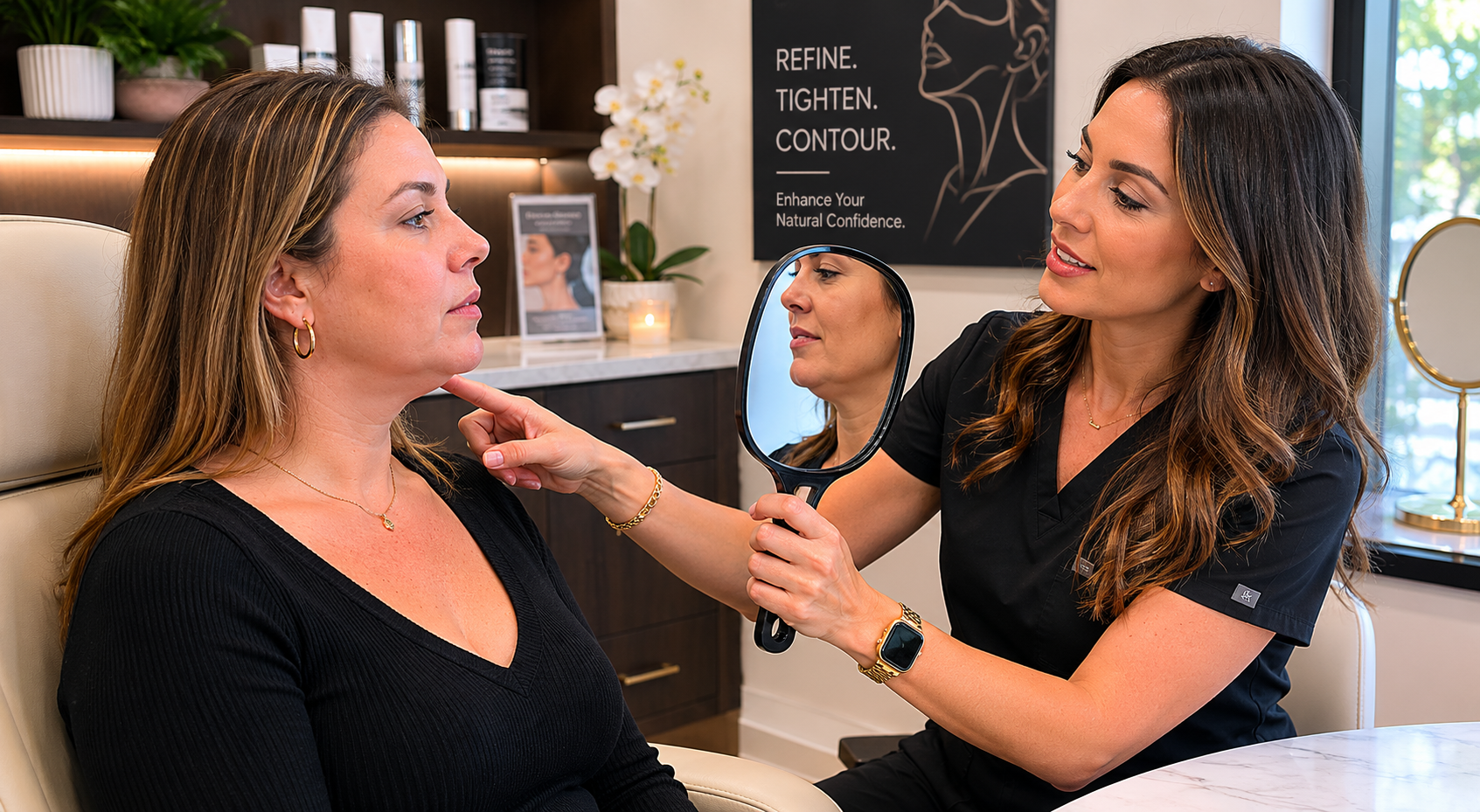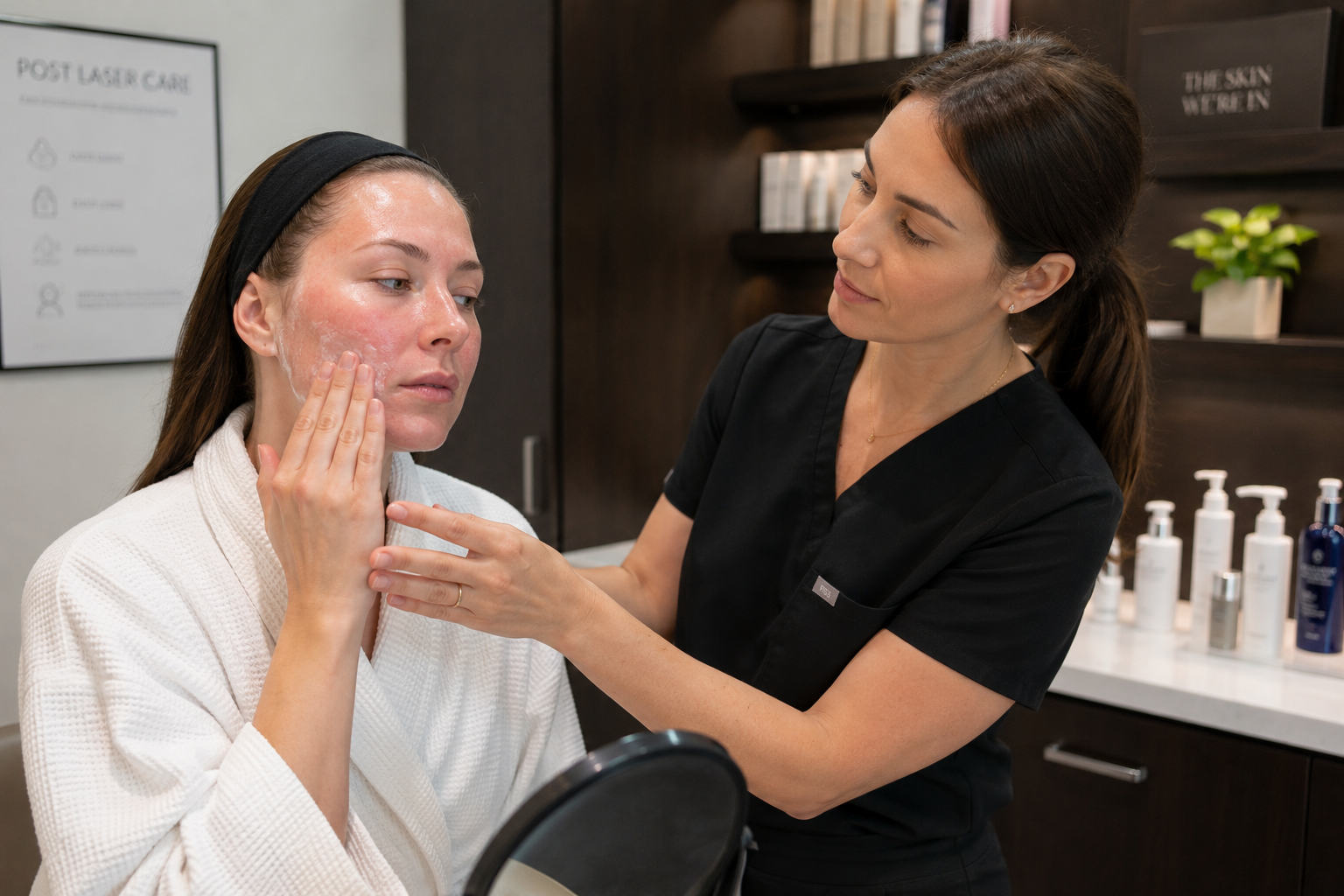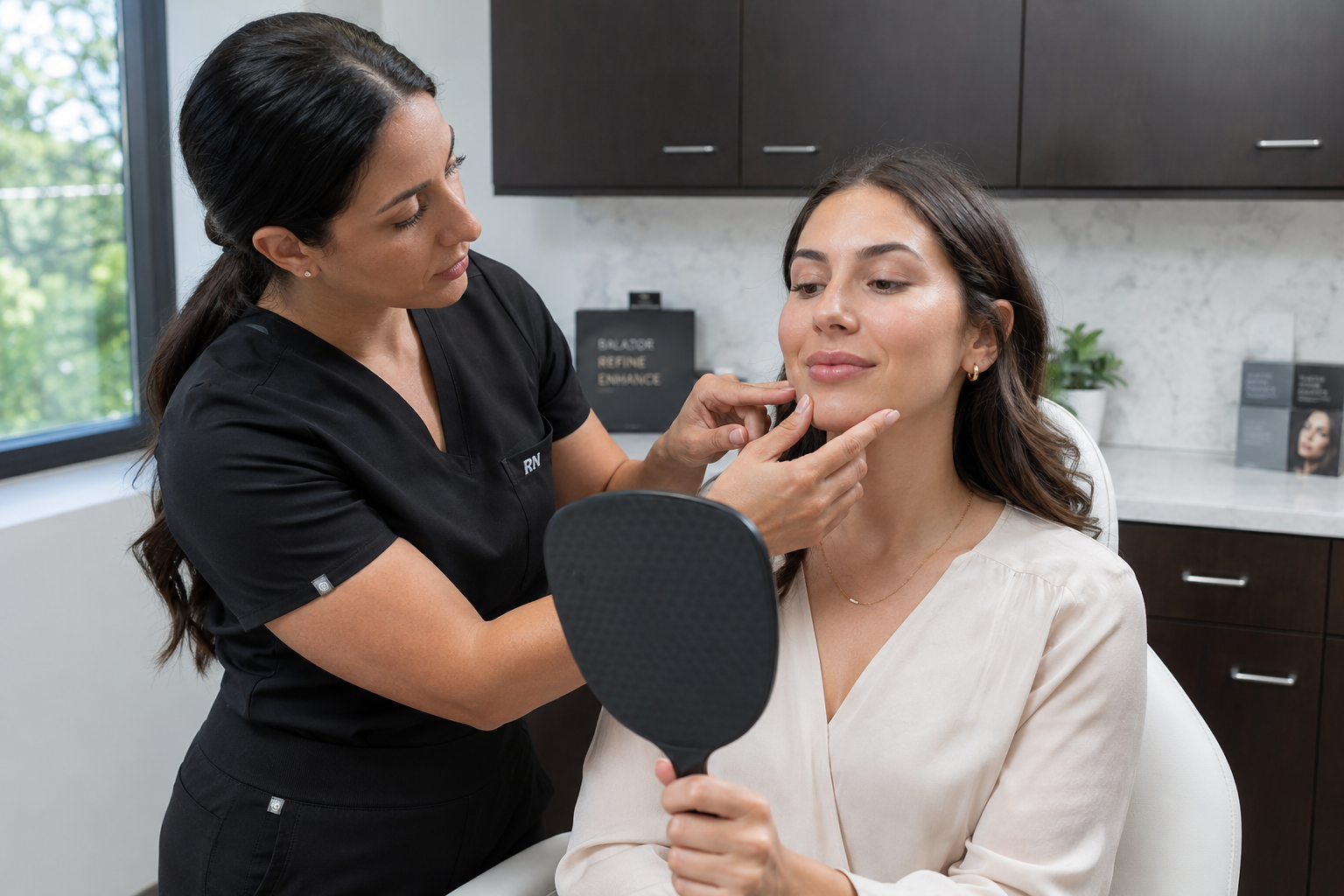
Many patients ask the same question before booking light-based treatments: is IPL safe? The answer depends less on the technology itself and more on who it’s used on and how it’s performed. Intense Pulsed Light (IPL) has a long track record for improving redness, pigmentation, and uneven skin tone—but safety hinges on proper skin assessment, correct settings, and realistic expectations. Understanding when IPL is considered safe helps patients make confident, informed decisions.
Jump To:
- TLDR Quick Guide
- What IPL Actually Does to the Skin
- When IPL Is Considered Safe
- Redness: When IPL Works Best
- Pigmentation: Safe Scenarios for IPL
- When IPL Is Not the Right Choice
- Why Professional Assessment Is the Safety Factor
- What to Expect After a Safe IPL Treatment
- IPL Safety vs Other Aesthetic Options
- Key Takeaways
- FAQs
TLDR Quick Guide
- Is IPL safe? Yes—when properly selected and professionally administered.
- Skin type, concern, and device settings determine safety.
- IPL works best for redness, pigmentation, and uneven tone caused by sun damage.
- Proper screening significantly reduces risks.
- A customized treatment plan delivers the safest, most consistent results.
What IPL Actually Does to the Skin
How IPL Targets Color, Not Texture
IPL uses broad-spectrum light to target pigment (melanin) and redness (hemoglobin). It selectively heats these chromophores without damaging surrounding tissue when used correctly. This makes it effective for discoloration rather than deep wrinkles or laxity.
Why IPL Is Not a Laser
Unlike lasers, IPL is adjustable and covers a wider range of wavelengths. This flexibility allows providers to tailor treatments based on skin tone and concern. That adaptability is a key reason IPL can be safe across many use cases.
When IPL Is Considered Safe
Appropriate Skin Types
IPL is safest for lighter to medium skin tones where contrast between pigment and skin is clear. Darker skin tones may carry higher risk of hyperpigmentation if not carefully assessed. A professional evaluation is essential before treatment.
Correct Concerns for IPL
IPL is well-suited for:
- Sun-induced pigmentation
- Broken capillaries and redness
- Uneven tone and blotchiness
It’s less effective for deep acne scars or skin tightening, which require different technologies often found under facials and laser services.
Redness: When IPL Works Best
Rosacea-Related Redness
IPL can safely reduce diffuse redness and visible vessels when rosacea is mild to moderate. Treatment settings must be conservative to avoid flares. Patients with inflammatory rosacea require careful screening.
Broken Capillaries
IPL is especially effective for visible capillaries caused by sun damage or aging. Multiple sessions gradually fade redness without downtime. Safety improves when treatments are spaced appropriately.
Pigmentation: Safe Scenarios for IPL
Sun Spots and Age Spots
IPL safely targets excess melanin caused by UV exposure. Spots darken temporarily before flaking off naturally. This process is expected and monitored.
Uneven Tone From Photoaging
When pigmentation is superficial, IPL improves tone evenly. Deeper pigmentation may require alternative treatments. Matching the treatment depth to the pigment depth ensures safety.
When IPL Is Not the Right Choice
Recent Tanning or Active Sun Exposure
Tanned skin increases the risk of burns and discoloration. IPL should be delayed until skin returns to baseline tone. Sun avoidance before and after treatment is critical.
Certain Medical or Skin Conditions
Active infections, open wounds, or certain medications may increase sensitivity. A consultation helps identify these risks early. Safety always comes before scheduling.
Why Professional Assessment Is the Safety Factor
Device Settings Matter More Than the Device
Most IPL risks come from incorrect settings, not the technology itself. Pulse duration, wavelength filters, and energy levels must be customized. This is why provider experience matters.
Combining IPL With Complementary Treatments
IPL often works best alongside other skin therapies. For example, pairing IPL with skin-strengthening options or injectables from fillers and other injectables can enhance results while keeping treatments conservative and safe.
What to Expect After a Safe IPL Treatment
Normal, Temporary Reactions
Mild redness, warmth, or darkening of pigment is normal. These effects typically resolve within days. Proper aftercare minimizes complications.
Gradual Improvement Over Sessions
IPL is not a one-time fix. Safety improves when results are built gradually. Most patients see optimal outcomes after a series of treatments.
IPL Safety vs Other Aesthetic Options
IPL vs Hair Removal Devices
Although IPL can be used for hair reduction, settings differ significantly. Clinics offering hair removal use different protocols. Using the right approach for the right goal is essential for safety.
IPL vs Injectables or Wellness Treatments
IPL addresses surface color issues, not volume or muscle movement. Combining treatments strategically—rather than aggressively—keeps results natural and skin healthy long term.
Key Takeaways
- IPL is safe when skin type and concern are appropriate.
- Professional assessment is the most important safety factor.
- IPL works best for redness and superficial pigmentation.
- Avoid treatment on recently tanned or compromised skin.
- Gradual, customized plans deliver the safest outcomes.
FAQs
Is IPL safe for sensitive skin?
It can be, depending on the cause of sensitivity. Lower energy settings and careful screening are essential. A consultation determines suitability.
Can IPL damage my skin?
When performed incorrectly, risks increase. With proper settings and trained providers, complications are uncommon. Safety protocols exist to minimize risk.
How many IPL sessions are usually needed?
Most patients need a series of treatments. Gradual improvement is safer than aggressive single sessions. Results build over time.
Is IPL safe year-round?
IPL is safest when sun exposure is minimal. Fall and winter are ideal. Summer treatments require strict sun avoidance.
How do I know if IPL is right for me?
A professional skin assessment is key. Skin tone, concern, and goals determine suitability. Personalized planning ensures safety.