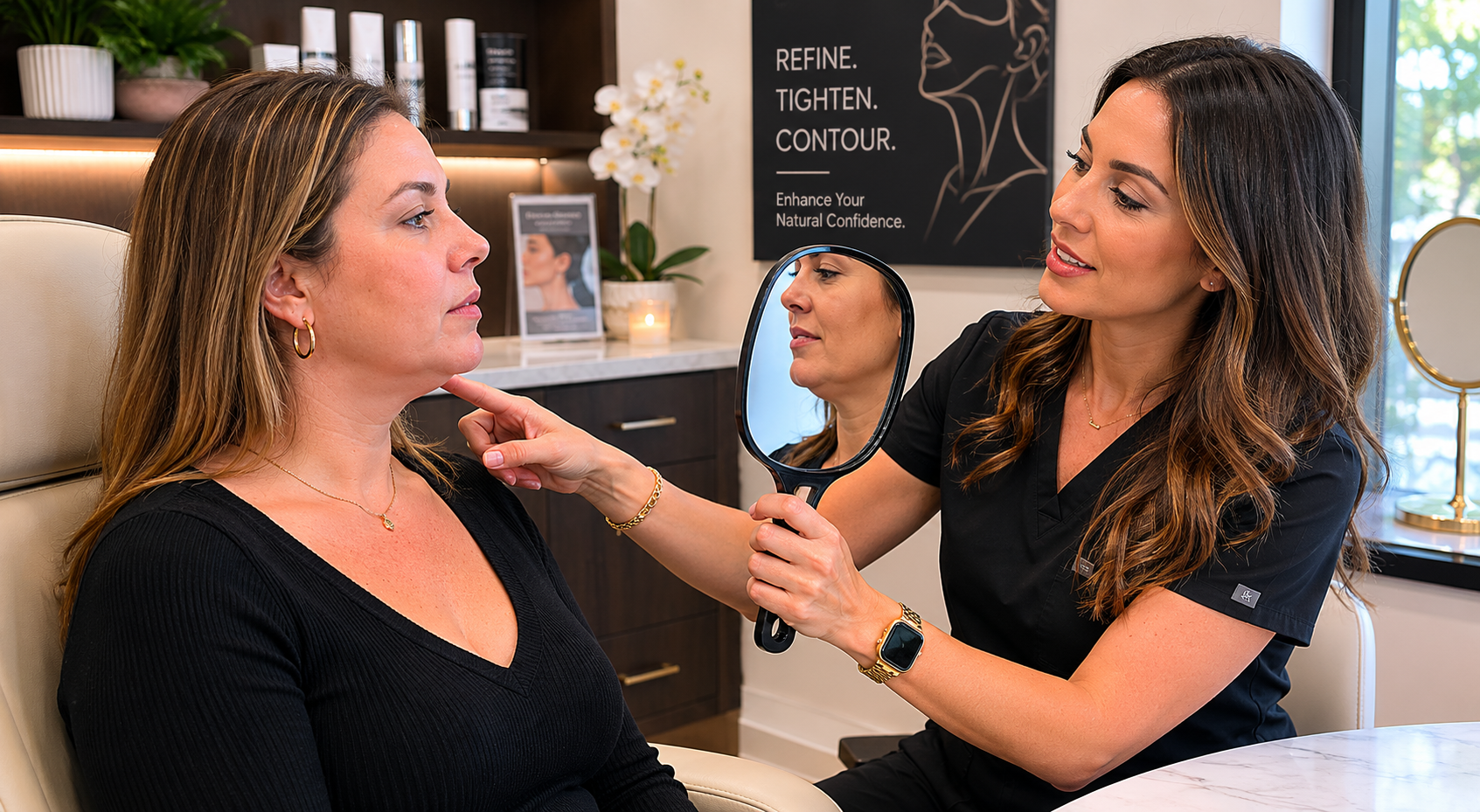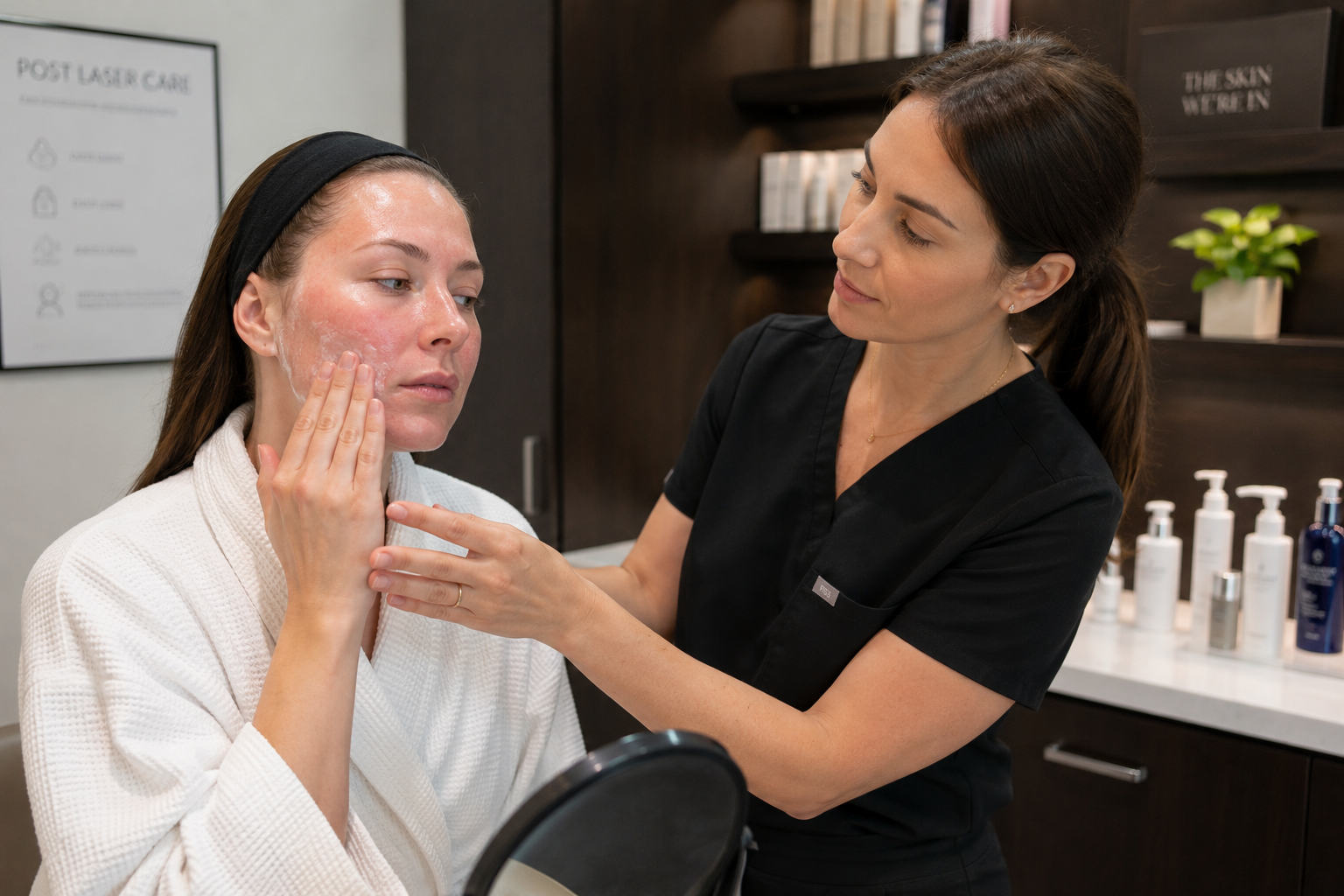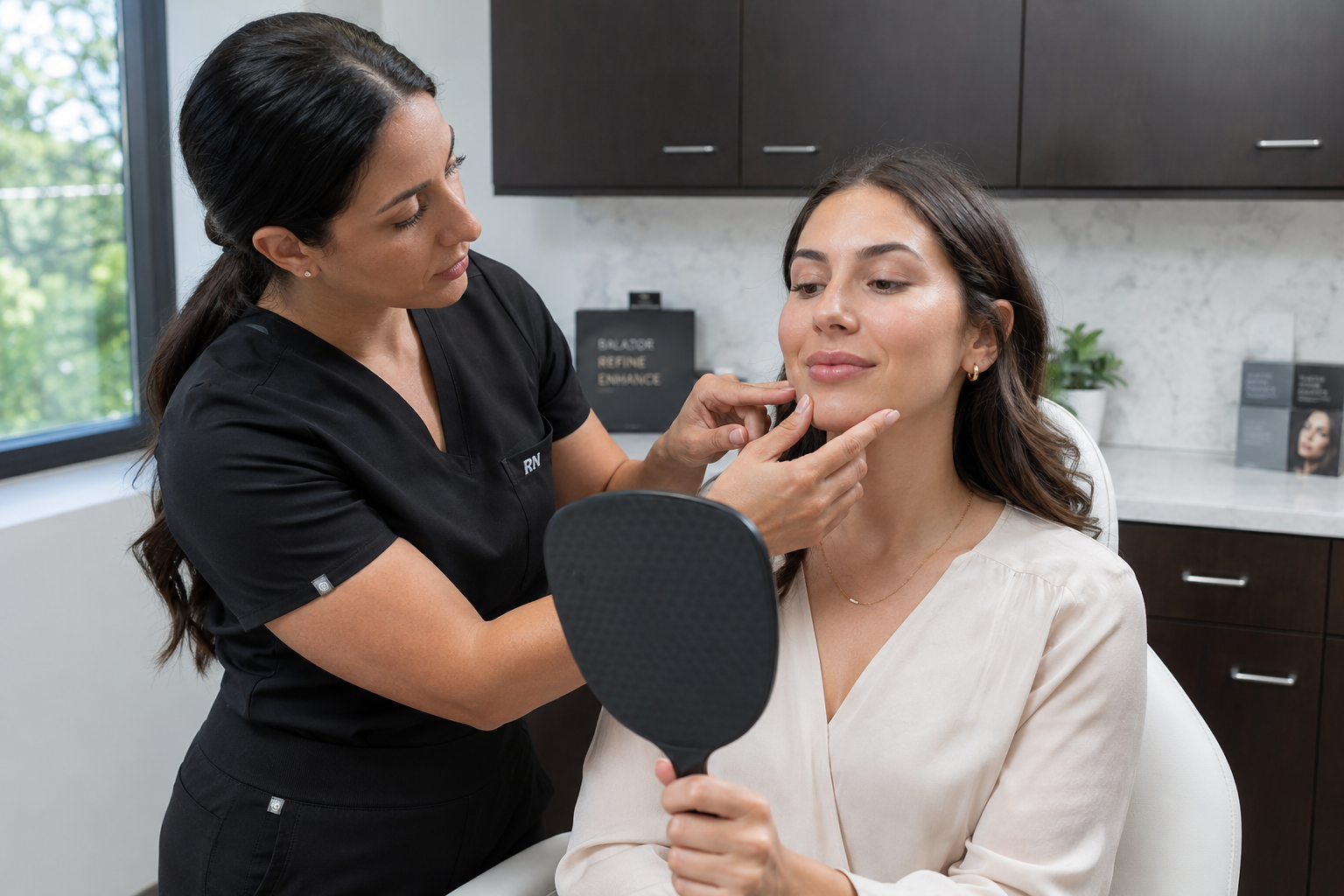
Choosing the right provider for chemical peels in Albuquerque means more than picking a treatment off a menu. Effective results come from matching peel strength to your unique skin goals, sensitivity, and lifestyle. Experienced providers take a strategic approach—balancing exfoliation, renewal, and recovery to deliver smoother, clearer, and healthier skin.
Jump To:
TLDR Quick Guide
- Chemical peels are not one-size-fits-all; strength is matched to skin goals and tolerance.
- Providers assess skin type, concerns, and downtime preferences before selecting a peel.
- Light, medium, and deeper peels each serve different purposes.
- Combining peels with injectables or other treatments often enhances results.
- Proper customization improves outcomes and reduces irritation or complications.
What Chemical Peels Are Designed to Do
Targeted exfoliation and renewal
Chemical peels use carefully formulated solutions to remove damaged outer layers of skin. This process stimulates cell turnover and collagen production. The result is improved texture, tone, and clarity.
Treating multiple skin concerns
Peels can address acne, fine lines, sun damage, uneven pigmentation, and dullness. The key lies in choosing the right strength and formulation. Stronger is not always better—precision matters more.
How Providers Determine the Right Peel Strength
Skin type and sensitivity
Skin tone, oil production, and sensitivity all influence peel selection. Some skin types respond best to gentle, superficial peels, while others tolerate deeper treatments. Providers assess risk factors like hyperpigmentation before proceeding.
Specific skin goals
Goals such as brightening, acne control, or resurfacing guide peel depth. Light peels focus on glow and maintenance, while medium-depth peels target more stubborn concerns. Clear goals help define the treatment plan.
Understanding Different Peel Levels
Light (superficial) chemical peels
Light peels gently exfoliate the surface of the skin with minimal downtime. They’re ideal for maintenance, dullness, and mild texture issues. Many clients choose these as part of regular skincare routines.
Medium-depth chemical peels
Medium peels penetrate deeper to treat acne scars, pigmentation, and fine lines. They require more recovery time but deliver more dramatic results. Proper aftercare is essential for optimal healing.
Why deeper isn’t always better
Aggressive peels aren’t suitable for every skin type or lifestyle. Over-treatment increases the risk of irritation and uneven results. Skilled providers prioritize safety and consistency over intensity.
Why Customization Matters in Albuquerque’s Climate
Sun exposure and skin resilience
High desert sun exposure affects how skin heals after treatments. Providers in Albuquerque account for UV exposure when planning peel depth and timing. This reduces the risk of post-treatment pigmentation issues.
Seasonal treatment planning
Many providers recommend scheduling stronger peels during lower-sun months. Lighter peels can be safely used year-round with proper sun protection. Timing plays a key role in success.
Combining Chemical Peels With Other Treatments
Peels and injectables
Chemical peels often complement injectables by improving skin quality while injectables address volume or movement. Treatments like Fillers & Other Injectables enhance overall facial rejuvenation. Strategic planning avoids over-treatment.
Peels and neurotoxins
Neurotoxins smooth expression lines, while peels refine surface texture. Together, they create balanced, refreshed results. Learn more about Neurotoxins as part of a comprehensive aesthetic plan.
Peels and advanced facial treatments
Chemical peels are often integrated with facials and laser services for optimal skin renewal. This layered approach supports long-term skin health. Explore options within Facials & Laser Services.
Choosing the Right Provider
Experience and assessment process
A qualified provider conducts a thorough consultation before recommending a peel. They explain expected outcomes, downtime, and aftercare. This education-driven approach leads to better satisfaction.
Long-term skin planning
Great providers think beyond a single peel. They help clients plan treatments that evolve with skin changes and aging. Clinics like AlluraDerm focus on personalized, medically guided care for lasting results.
Key Takeaways
- Chemical peels in Albuquerque are most effective when customized to individual skin goals.
- Peel strength should align with skin type, concerns, and recovery tolerance.
- Albuquerque’s climate influences treatment timing and aftercare.
- Combining peels with injectables or lasers enhances outcomes.
- Provider expertise and planning matter more than peel intensity.
FAQs
How do I know which chemical peel strength is right for me?
A professional consultation determines the best option based on your skin type and goals. Providers assess sensitivity, pigmentation risk, and desired results. This ensures safe and effective treatment.
Are chemical peels safe for sensitive skin?
Yes, when properly selected. Light peels are often ideal for sensitive skin types. Customization and aftercare reduce irritation risks.
How much downtime should I expect after a chemical peel?
Downtime varies by peel strength. Light peels may cause mild redness for a day or two, while medium peels require several days of recovery. Your provider will explain expectations clearly.
Can chemical peels be combined with other aesthetic treatments?
Absolutely—many providers combine peels with injectables or facials for enhanced results. Timing and sequencing are important to avoid irritation. A coordinated plan delivers the best outcome.
How often should I get chemical peels?
Frequency depends on peel type and skin goals. Light peels may be done monthly, while deeper peels are spaced further apart. Your provider will recommend a schedule tailored to your skin.