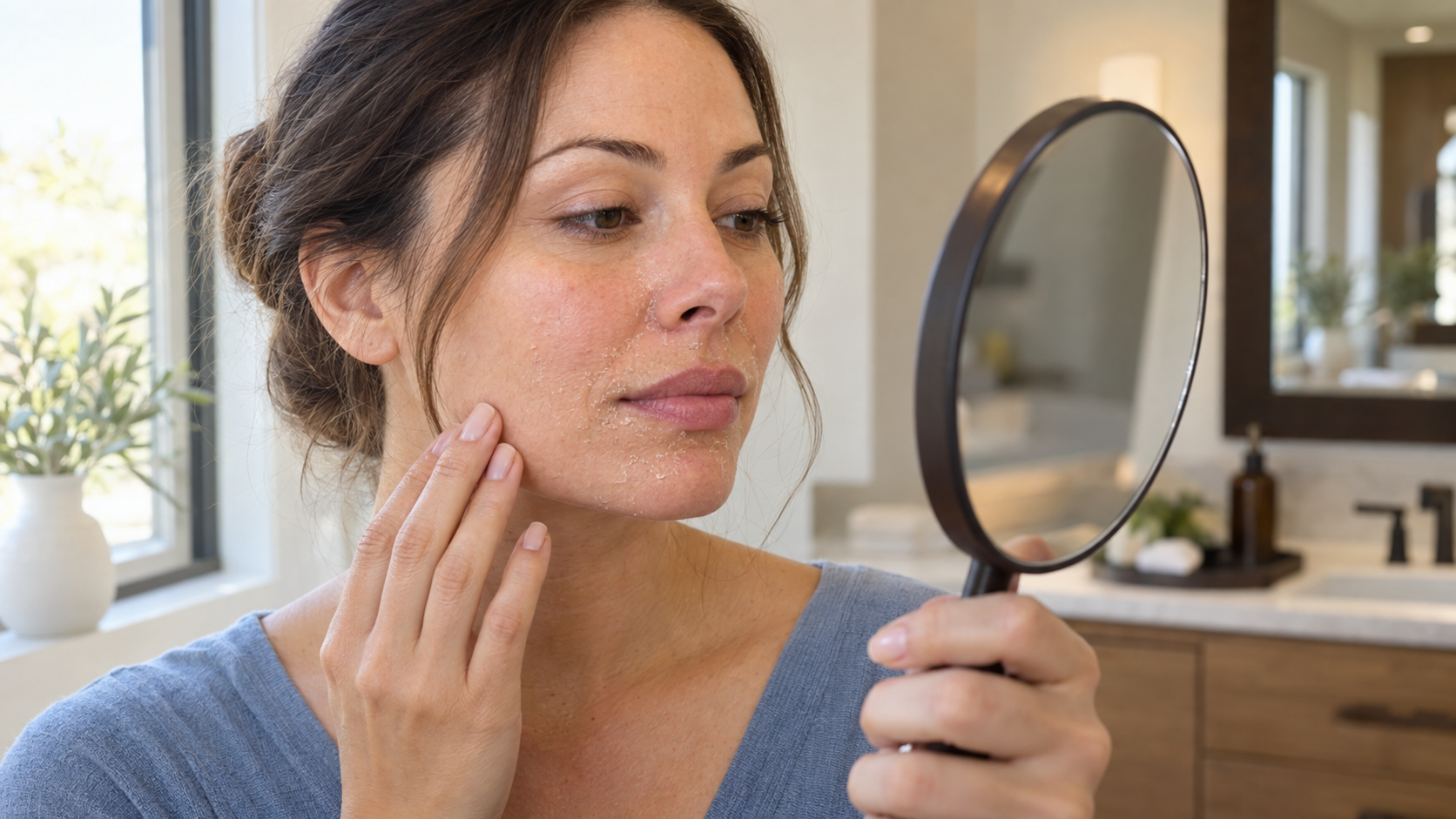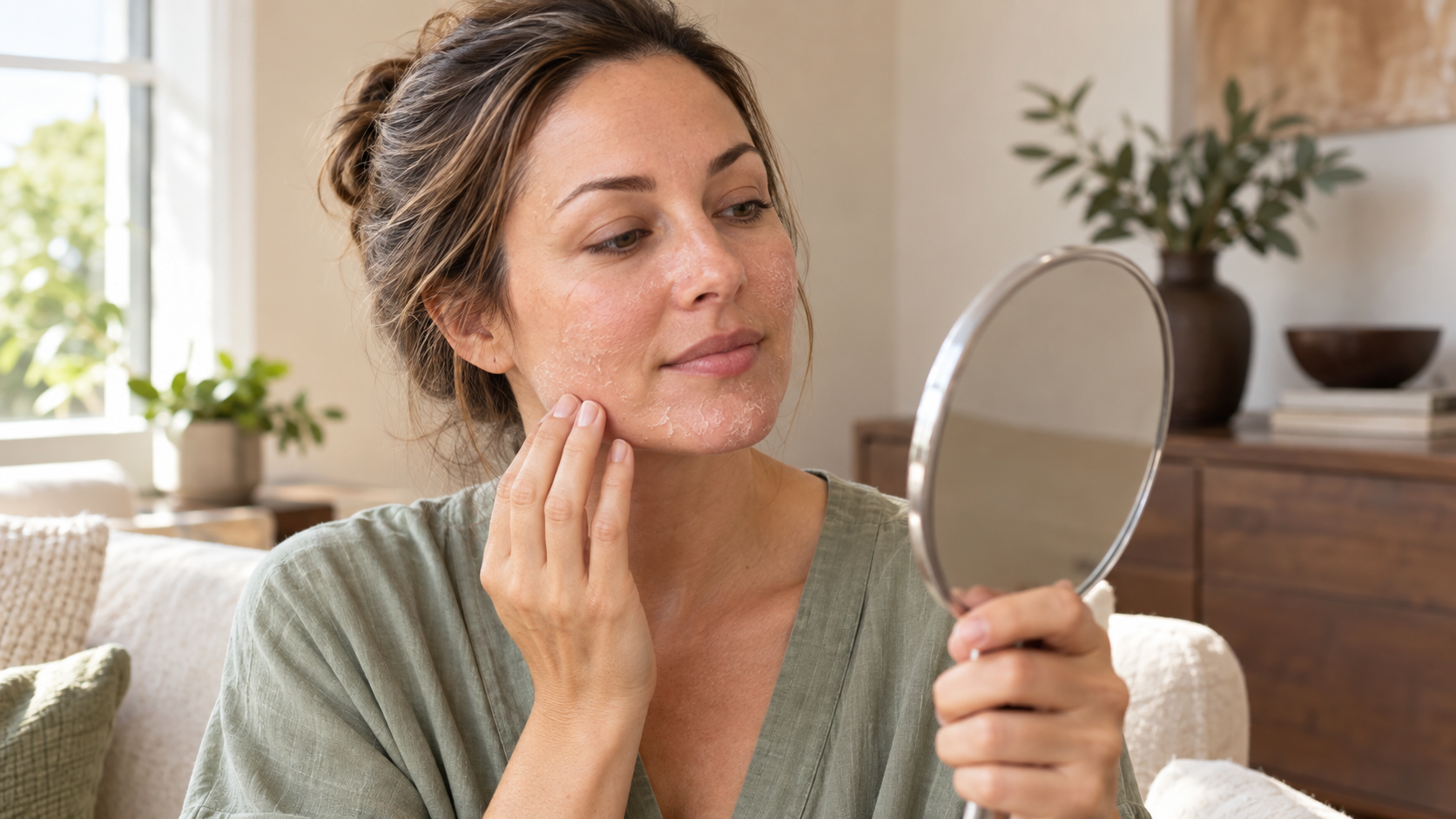
Collagen is the structural protein that keeps your skin firm, smooth, and resilient. When collagen breaks down faster than your body can replace it, the result is sagging, wrinkles, and dull skin.
Collagen loss from smoking speeds up this process dramatically. Toxins reduce oxygen flow, damage skin cells, and weaken the skin’s ability to regenerate.
At AlluraDerm, treatments are designed to target these exact concerns—helping restore skin quality with advanced, medically guided solutions.
Jump To:
TLDR Quick Guide
Here’s how collagen loss from smoking affects your skin:
- Reduces collagen production
- Breaks down existing skin structure
- Causes wrinkles and sagging
- Leads to dull, uneven texture
- Slows healing and regeneration
The solution: collagen-stimulating treatments and consistent skin repair.
How Smoking Accelerates Collagen Loss
Reduced Blood Flow to the Skin
Smoking restricts blood vessels, limiting oxygen and nutrients reaching your skin. This weakens collagen production and slows down natural repair processes.
Over time, this leads to thinner, more fragile skin.
Breakdown of Collagen and Elastin
The chemicals in cigarettes actively damage collagen and elastin fibers. These are essential for maintaining firmness and elasticity.
Once damaged, the skin struggles to bounce back.
Visible Effects on Skin Quality
Premature Wrinkles and Fine Lines
One of the earliest signs of collagen loss from smoking is the appearance of fine lines, especially around the mouth and eyes.
These wrinkles tend to appear deeper and earlier than normal aging.
Dull and Uneven Skin Tone
Smoking reduces oxygen levels in the skin, leading to a tired, grayish complexion. Skin can also become uneven and rough.
This contributes to a loss of natural glow.
You can explore targeted solutions for these concerns under wrinkles and fine lines treatments.
Why At-Home Skincare Isn’t Enough
Surface-Level vs Structural Repair
Topical products can hydrate and protect the skin, but they can’t fully rebuild lost collagen. Once deeper damage occurs, more advanced treatments are needed.
This is especially true for long-term smokers.
Slower Natural Recovery
Even after quitting smoking, the body’s ability to restore collagen takes time. Without support, recovery may be limited.
Professional treatments accelerate this process.
Treatments That Help Restore Collagen
Laser Resurfacing for Skin Renewal
Advanced treatments like Fraxel laser stimulate collagen production while improving texture and tone. They work by creating controlled micro-injuries that trigger natural healing.
This results in smoother, firmer skin over time.
Microneedling for Collagen Stimulation
Microneedling treatments create tiny channels in the skin to activate collagen production. This helps improve elasticity and reduce fine lines.
It’s a powerful option for rebuilding skin structure.
Hydration and Skin Quality Restoration
Rebuilding the Skin Barrier
Smoking weakens the skin’s barrier, making it harder to retain moisture. Hydration-focused treatments help restore this protective layer.
This improves both comfort and appearance.
Deep Hydration Treatments
Options like Skinvive deliver hydration beneath the surface of the skin. This enhances smoothness, elasticity, and overall glow.
Hydration plays a key role in skin recovery.
Long-Term Skin Recovery Strategy
Consistency Matters
Restoring skin after collagen loss from smoking isn’t a one-time fix. It requires a combination of treatments and ongoing maintenance.
Gradual improvement leads to more natural results.
Combining Treatments for Best Results
The most effective plans often include:
- collagen stimulation
- hydration support
- resurfacing treatments
A personalized approach ensures the best outcome.
You can explore tailored options using a treatment finder to match your specific needs.
Preventing Further Damage
Lifestyle Adjustments
Quitting smoking is the most important step. It allows your body to begin repairing itself and prevents further collagen breakdown.
Healthy habits support long-term results.
Sun Protection and Skincare
Daily SPF and proper skincare help protect the collagen you still have. This slows future aging and supports treatment results.
Prevention and repair work together.
Key Takeaways
- Collagen loss from smoking accelerates visible aging
- Smoking damages both collagen production and skin structure
- Surface skincare alone cannot fully repair the damage
- Treatments like Fraxel and Skinvive help restore skin quality
- Consistent, long-term care delivers the best results
FAQs
Can skin recover after collagen loss from smoking?
Yes, the skin can recover to some extent after quitting smoking. However, collagen regeneration is slow without treatment. Professional procedures can significantly improve results.
What is the best treatment for smoking-related skin damage?
Laser treatments and microneedling are among the most effective options. They stimulate collagen production and improve texture. Hydration treatments also enhance overall skin quality.
How long does it take to see improvement?
Results vary depending on the treatment and severity of damage. Some improvements can be seen within weeks, while collagen rebuilding takes longer. Consistency is key for lasting results.
Does quitting smoking improve skin immediately?
Stopping smoking helps prevent further damage right away. However, visible improvements take time as the skin repairs itself. Supporting treatments can speed up the process.
Is collagen loss from smoking permanent?
Some damage can be long-lasting, but it is not entirely permanent. With the right treatments, skin quality can improve significantly. Early intervention leads to better outcomes.