Microneedling has evolved far beyond a one-size-fits-all treatment. Today, patients are often deciding between RF microneedling vs PRP microneedling, each offering distinct benefits depending on skin goals. While both stimulate collagen and improve skin quality, they work through different mechanisms and are suited for different concerns. Understanding when each option is recommended helps patients choose treatments that deliver meaningful, long-term results instead of temporary improvements.
Jump To:
TLDR Quick Guide
- RF microneedling vs PRP microneedling serve different skin goals.
- RF microneedling targets tightening, texture, and deeper aging concerns.
- PRP microneedling focuses on healing, glow, and skin quality.
- Some patients benefit most from combining both approaches.
- Skin concerns—not trends—should guide treatment choice.
Understanding the Core Differences
What RF Microneedling Does
RF microneedling combines traditional microneedling with radiofrequency energy. The needles deliver controlled heat deep into the skin, stimulating collagen and elastin at a structural level. This makes it especially effective for tightening and remodeling.
What PRP Microneedling Does
PRP microneedling uses platelet-rich plasma derived from the patient’s own blood. After microneedling creates microchannels, PRP is applied to accelerate healing and cellular regeneration. The focus is skin quality rather than structural tightening.
Why the Mechanism Matters
The depth and type of stimulation determine outcomes. RF affects deeper layers responsible for firmness. PRP enhances surface-level healing and radiance.
When RF Microneedling Is Recommended
Skin Laxity and Sagging
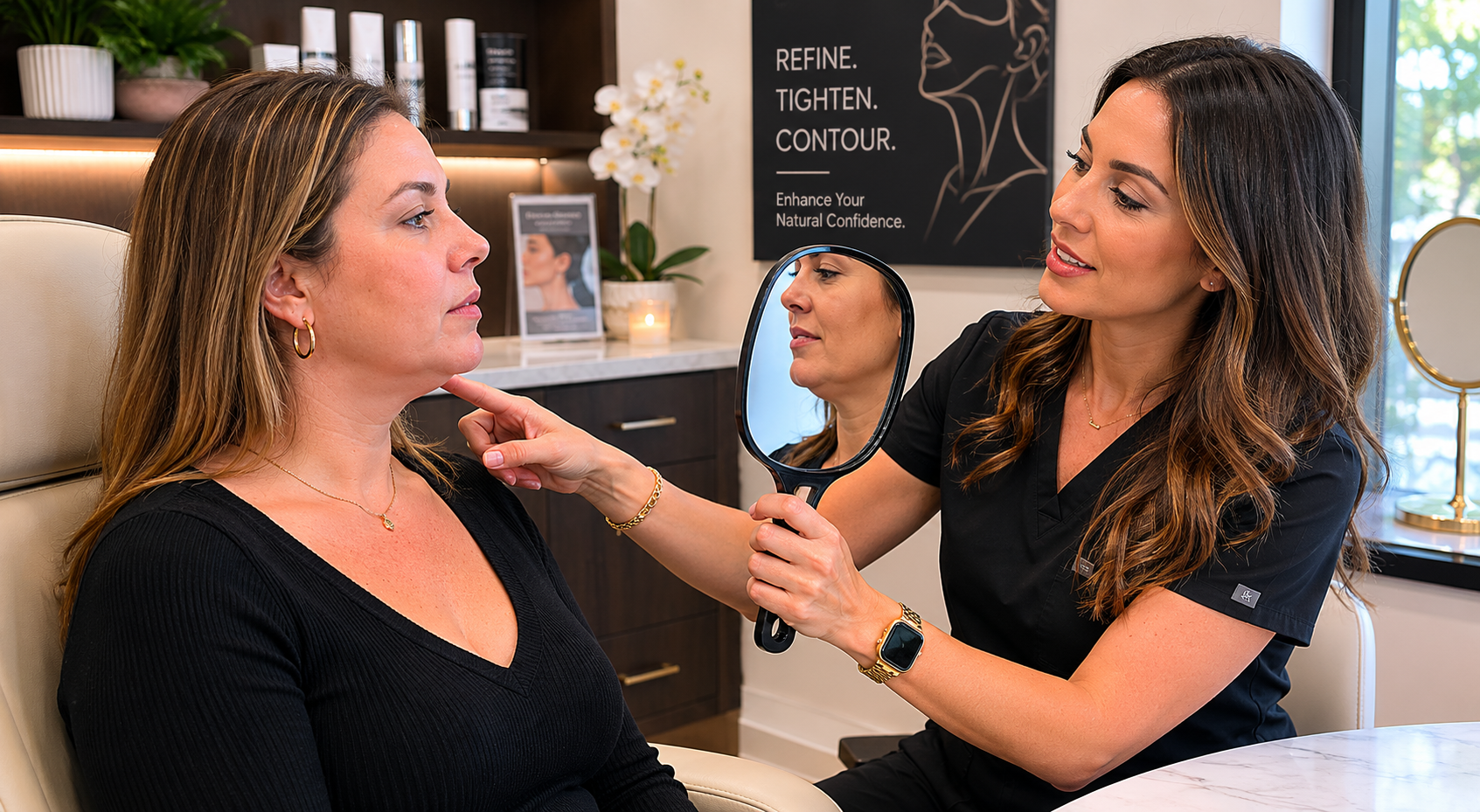
RF microneedling is ideal for loose or crepey skin. The heat contracts tissue while stimulating collagen production. This results in gradual tightening over time.
Acne Scars and Texture Irregularities
Deeper scars respond better to RF energy. The treatment remodels scar tissue from within. Texture becomes smoother with successive sessions.
Fine Lines and Structural Aging
RF microneedling addresses early jowling, jawline softness, and fine wrinkles. It works well for patients seeking firming without surgery. Results build progressively.
RF microneedling is often paired with services under facials & laser services to enhance overall skin rejuvenation.
When PRP Microneedling Is Recommended
Dull or Uneven Skin Tone
PRP enhances brightness and glow. It improves circulation and cellular turnover. Skin appears healthier and more radiant.
Early Aging and Preventative Care
Patients with minimal laxity but early signs of aging benefit from PRP. It supports collagen naturally. Preventative treatments age well over time.
Post-Inflammatory or Sensitive Skin
PRP accelerates healing and reduces inflammation. It’s ideal for patients prone to redness or irritation. Recovery tends to be gentler.
PRP microneedling often complements treatments like fillers & other injectables by improving skin quality around restored volume.
Comparing RF Microneedling vs PRP Microneedling by Skin Concern
Wrinkles and Loose Skin
RF microneedling is usually preferred. It targets the deeper structural layers. PRP alone may not provide enough tightening.
Skin Texture and Pore Appearance
Both treatments help, but RF delivers more dramatic texture improvement. PRP enhances smoothness and glow. Combination treatments are common.
Acne Scarring
Moderate to severe scarring responds better to RF. PRP can support healing but isn’t sufficient alone. Depth matters.
Downtime and Recovery Considerations
RF Microneedling Recovery
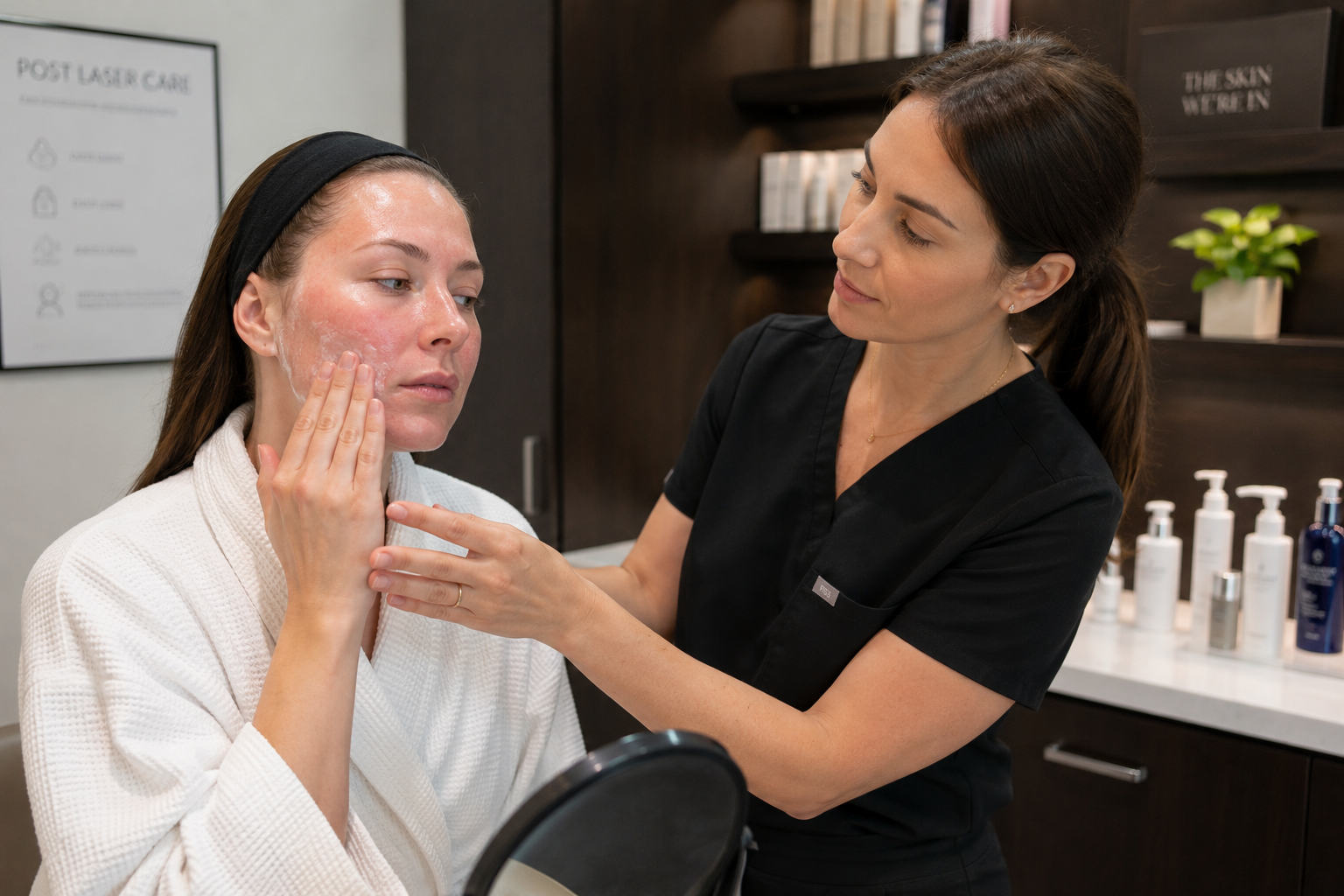
Expect redness and mild swelling for a few days. Some patients experience temporary tightness. Results develop over weeks.
PRP Microneedling Recovery
Downtime is usually shorter. Redness resolves faster. Skin often looks refreshed within days.
Lifestyle and Scheduling Factors
Patients with busy schedules may prefer PRP. Those prioritizing long-term firming may choose RF. Recovery tolerance influences choice.
Can RF and PRP Be Combined
Why Combination Treatments Work
RF creates collagen stimulation while PRP accelerates healing. Together, they enhance outcomes. Many providers recommend combining for optimal results.
Who Benefits Most From Combination Therapy
Patients with both texture issues and early laxity often see the best results. The approach addresses multiple layers. Treatments are customized.
Long-Term Skin Strategy
Combination protocols fit well into broader plans that may include body contouring or weight management for overall aesthetic balance.
Choosing the Right Treatment
Skin Concerns Should Drive the Decision
Trend-driven treatments often disappoint. A professional evaluation identifies what your skin actually needs. Customization ensures better outcomes.
Age Isn’t the Only Factor
Skin condition matters more than age. Some younger patients need RF, while some older patients benefit from PRP. Assessment is key.
Long-Term Planning Matters
Microneedling works best as part of a series. Planning ahead improves consistency and results. Short-term thinking limits outcomes.
Key Takeaways
- RF microneedling vs PRP microneedling serve different skin concerns.
- RF is best for tightening, scars, and deeper aging.
- PRP focuses on healing, glow, and skin quality.
- Some patients benefit from combining both treatments.
- Professional assessment ensures the right choice.
FAQs
Is RF microneedling better than PRP microneedling?
Neither is universally better. RF targets deeper structural concerns, while PRP improves skin quality. The best option depends on your goals.
Which treatment has more downtime?
RF microneedling usually has slightly more downtime. PRP recovery is often quicker. Both are considered minimally invasive.
Can PRP microneedling tighten skin?
PRP improves elasticity but does not significantly tighten loose skin. RF is better for laxity. PRP supports overall skin health.
How many sessions are needed?
Most patients need a series of treatments. RF often requires fewer sessions for tightening. PRP may be done more frequently.
Can these treatments replace injectables?
They serve different purposes. Microneedling improves skin quality and texture. Injectables address volume and muscle movement.