Smile lines—also known as nasolabial folds—are one of the most common aging concerns, yet also one of the most misunderstood. Many patients explore creams, single syringes of filler, or quick fixes, only to feel disappointed by short-lived or unnatural results. If you’re searching how to fix smile lines after traditional treatments haven’t delivered, the issue often isn’t what was done—but how the plan was designed. Lasting correction requires understanding facial structure, movement, and skin quality together.
Jump To:
TLDR Quick Guide
- Many people search how to fix smile lines after fillers or creams underperform.
- Smile lines are caused by volume loss, muscle movement, and skin thinning.
- One-size-fits-all treatments often fail long term.
- Combination approaches usually deliver better, more natural results.
- Custom assessment is critical for lasting improvement.
Why Smile Lines Are Harder to Treat Than They Look
They’re Not Just Surface Wrinkles
Smile lines are structural folds, not simple lines in the skin. They deepen due to bone loss, fat pad descent, and repetitive facial movement. Treating only the surface rarely solves the problem.
Aging Happens in Layers
As we age, skin thins, collagen declines, and facial support weakens. Addressing just one layer often leads to incomplete or short-lived results. Effective correction works across multiple layers of the face.
Why Traditional Treatments Often Fall Short
Overfilling the Fold
Injecting filler directly into the smile line can temporarily soften it. However, overfilling can make the area look heavy or unnatural. This approach often ignores the cause of the fold.
Skincare Alone Can’t Restore Volume
Topical products improve texture but cannot replace lost structural support. They work best as supportive care, not primary correction. Relying on skincare alone leads to minimal change.
Advanced Approaches That Deliver Better Results
Structural Filler Placement
Instead of chasing the line, advanced techniques restore support in surrounding areas like the cheeks. This lifts the fold naturally rather than masking it. Treatments using fillers and other injectables are most effective when placed strategically.
Combining Neurotoxins With Fillers
Muscle movement contributes significantly to smile line depth. Carefully placed neurotoxins can reduce repetitive folding while fillers restore volume. The combination improves longevity and natural appearance.
Skin Quality Matters
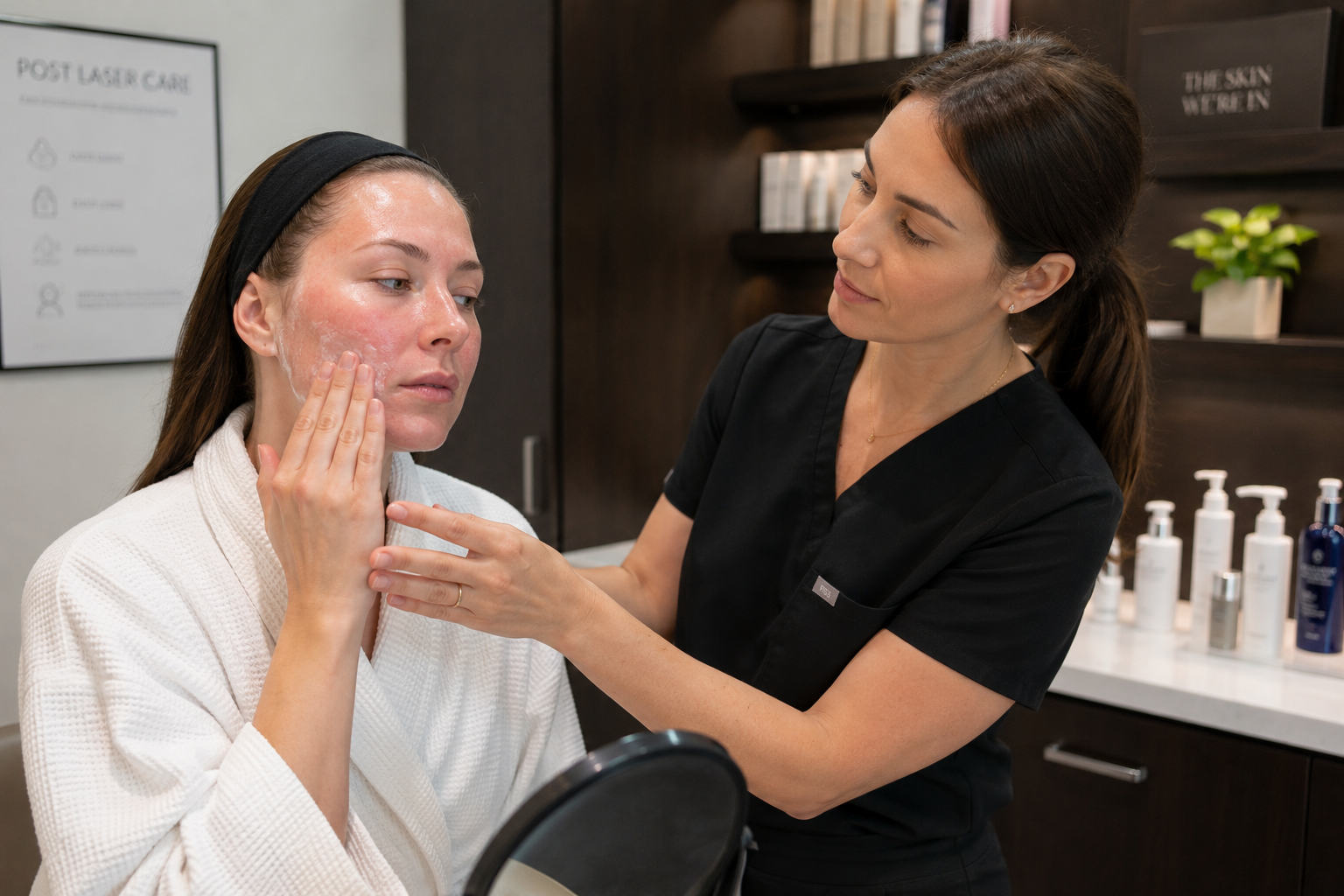
Improving skin thickness and elasticity enhances results. Treatments from facials and laser services stimulate collagen and improve texture, supporting injectable results over time.
When a Customized Plan Makes the Difference
Facial Balance Over Single-Area Fixes
Smile lines don’t exist in isolation. Jawline, cheeks, and midface structure all influence how folds appear. Addressing facial balance prevents overcorrection and improves harmony.
Timing and Layering Treatments
Staging treatments allows the face to adapt naturally. Immediate results are balanced with long-term improvement. This approach reduces the need for frequent touch-ups.
What to Expect From a Comprehensive Consultation
Assessment Beyond the Lines
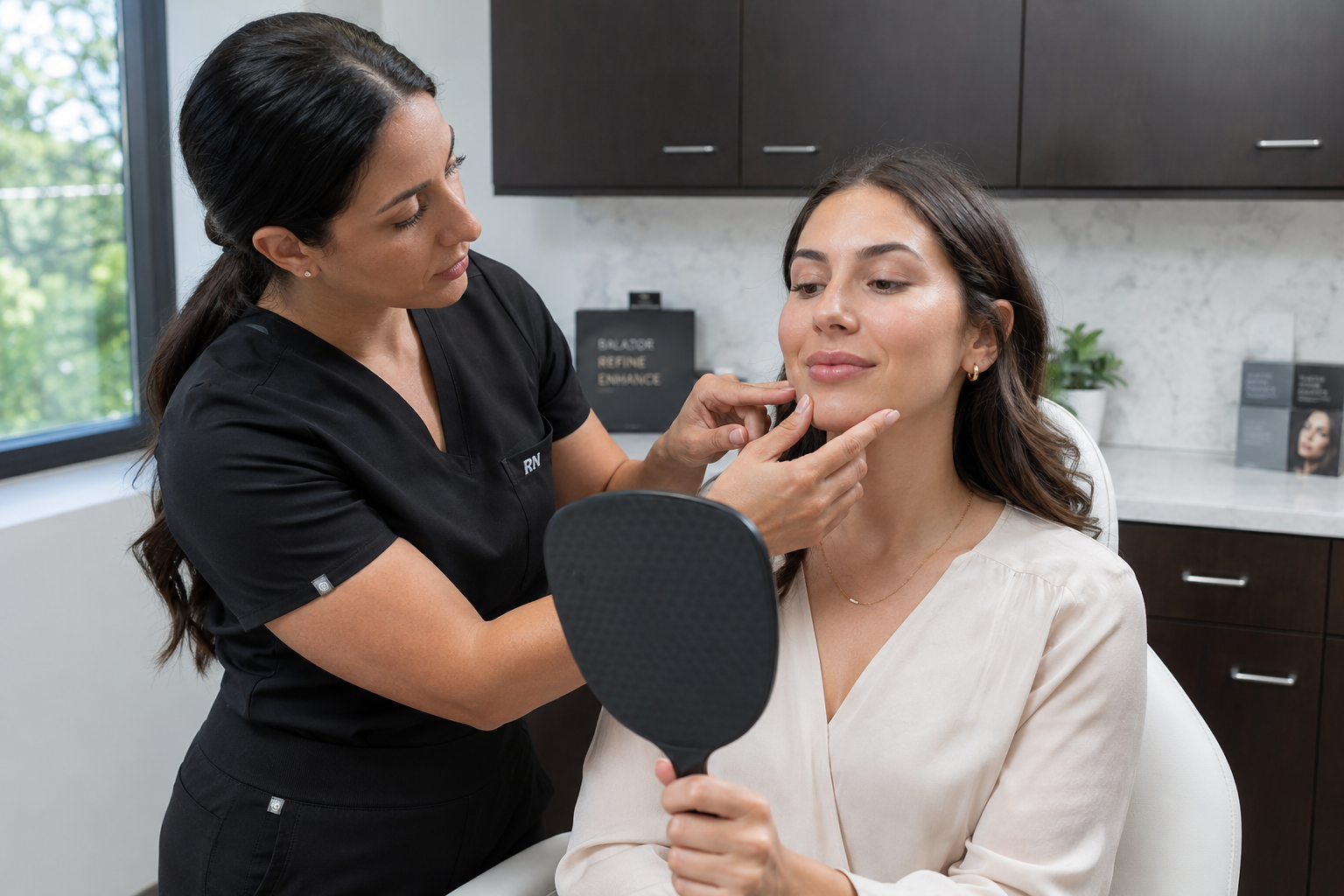
A professional consultation evaluates facial movement, volume loss, and skin health. This determines why previous treatments didn’t work. Clinics like AlluraDerm emphasize consultation-first planning through services such as a personalized consultation.
Setting Realistic Outcomes
Not all smile lines disappear completely—and that’s okay. The goal is softening, balance, and natural expression. Clear expectations lead to higher satisfaction.
Key Takeaways
- Smile lines are structural, not just surface wrinkles.
- Traditional filler-only approaches often fail long term.
- Strategic filler placement delivers more natural results.
- Combining injectables with skin treatments improves longevity.
- A customized plan is essential when previous treatments haven’t worked.
FAQs
Why didn’t fillers fix my smile lines permanently?
Fillers placed only in the fold don’t address structural causes. Volume loss elsewhere continues to pull the area downward. This leads to short-lived improvement.
Can smile lines be fixed without looking overdone?
Yes, when treatments are placed strategically rather than directly into the line. Balanced correction preserves natural facial movement. Overfilling is avoidable with proper planning.
Are neurotoxins necessary for treating smile lines?
Not always, but they can significantly help. Reducing repetitive muscle movement prevents lines from deepening. They often enhance filler results.
How long do advanced smile line treatments last?
Results vary based on product choice and facial structure. Combination treatments generally last longer than single approaches. Maintenance plans extend results further.
What’s the first step if past treatments failed?
A comprehensive consultation is essential. Understanding why prior treatments underperformed guides better decisions. Custom planning leads to better outcomes.