If you’ve scrolled through skincare TikTok or browsed beauty magazines lately, you’ve likely heard the term “skin cycling.” This trending regimen promises smoother, more resilient skin by rotating active ingredients in your nightly routine. But is it just another beauty buzzword, or a strategy worth considering? Even more important—can combining skin cycling and medical aesthetics treatments take your results to the next level? Here’s everything you need to know to maximize your glow with science, not just skincare hype.
Jump To:
- TLDR – Quick Guide
- Detailed Breakdown
- Key Takeaways
- FAQs
- Is skin cycling suitable for sensitive skin?
- Can I start medical aesthetic treatments while skin cycling?
- What should I avoid when combining skin cycling and medical aesthetics?
- How soon will I see results from skin cycling and medical treatments?
- Do I need to stop skin cycling before an in-office procedure?
TLDR – Quick Guide
- Skin cycling is a structured approach to skincare that rotates between exfoliation, retinoid use, and recovery nights.
- The method minimizes irritation while boosting the benefits of potent actives like retinol and acids.
- Medical aesthetics treatments—such as facials, lasers, and microneedling—can work in tandem with skin cycling to amplify results.
- Always consult a medical professional before mixing at-home routines with advanced treatments.
- Consistency and professional guidance are key for safe, long-lasting improvements.
Detailed Breakdown
What Is Skin Cycling?
Skin cycling is a four-night skincare routine that alternates between specific treatments and rest periods to enhance results while minimizing irritation. Typically, the cycle looks like this:
- Night 1: Exfoliation – Use a chemical exfoliant (such as glycolic acid) to slough off dead skin cells and prep the skin.
- Night 2: Retinoid – Apply a retinol or prescription retinoid to stimulate collagen and cell turnover.
- Nights 3 & 4: Recovery – Focus on hydration and barrier repair with gentle moisturizers and no actives.
After the four nights, the cycle repeats. This strategy helps users get the benefits of actives without the redness, dryness, or sensitivity that comes from overuse.
Why Is Skin Cycling So Popular?
- It’s Simple and Structured: No guesswork about when to use certain products.
- Improved Tolerance: Alternating actives gives skin time to recover.
- Visible Results: Regular cycles can improve brightness, smoothness, and even tone.
How Medical Aesthetics Supercharge Skin Cycling
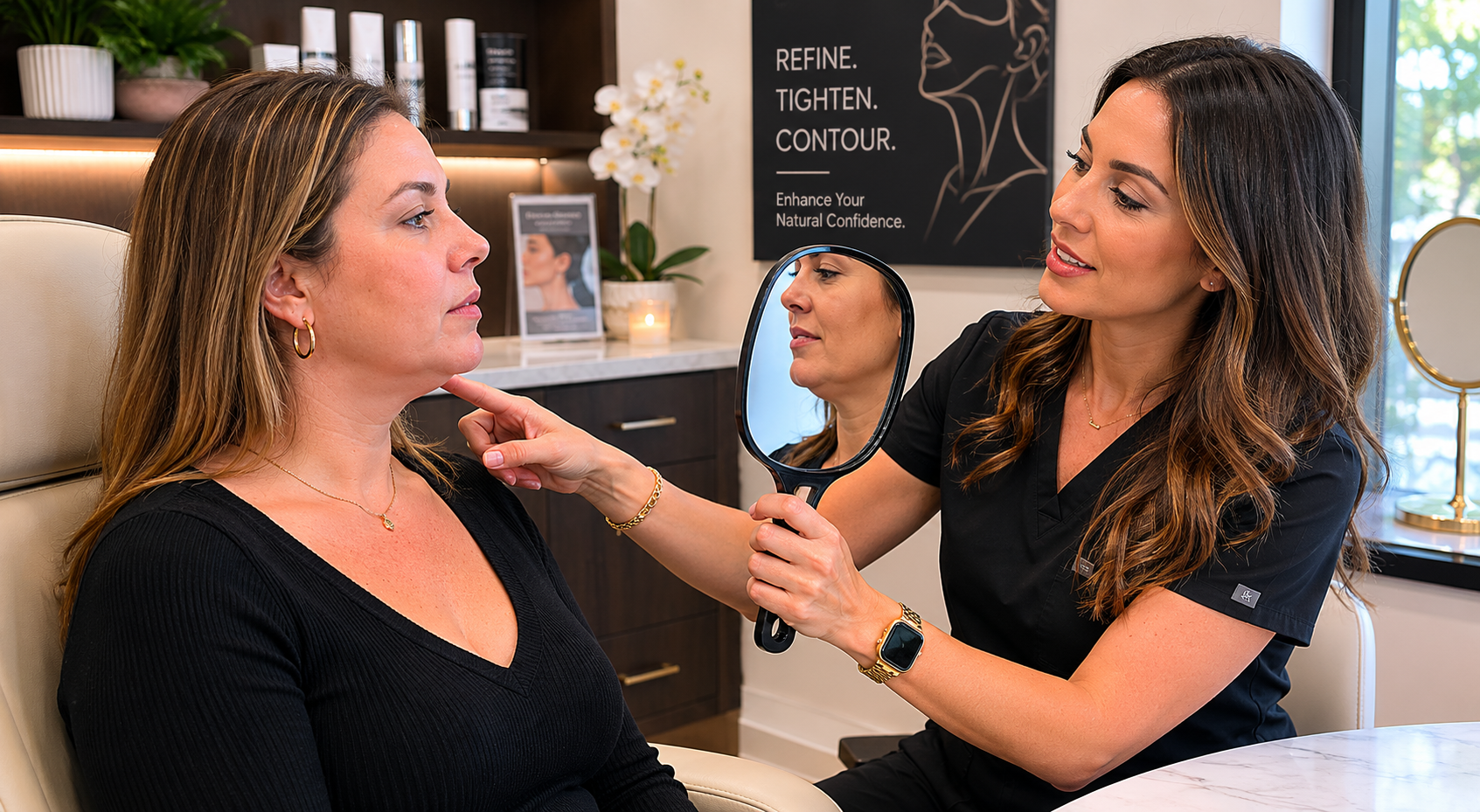
Professional treatments at a medical spa can dramatically enhance the effects of your at-home skin cycling regimen:
Medical-Grade Facials
Deep-cleansing and hydrating facials can support recovery nights, maximizing moisture and prepping skin for active ingredients.
Laser and Light-Based Treatments
Procedures like IPL and fractional lasers target deeper layers of the skin, boosting collagen production and helping correct pigmentation—results that skin cycling alone cannot achieve.
Microneedling
This minimally invasive treatment stimulates the skin’s natural healing process, making it more receptive to actives and speeding up cell turnover.
Chemical Peels
A professionally administered peel can kickstart a skin cycling regimen or reset skin that’s become dull or congested.
Injectable Treatments
Neurotoxins and fillers work at a deeper level, addressing wrinkles and volume loss, complementing the surface improvements seen with skin cycling.
Implementation Tactics
- Begin skin cycling with a gentle approach, especially if you’re new to actives.
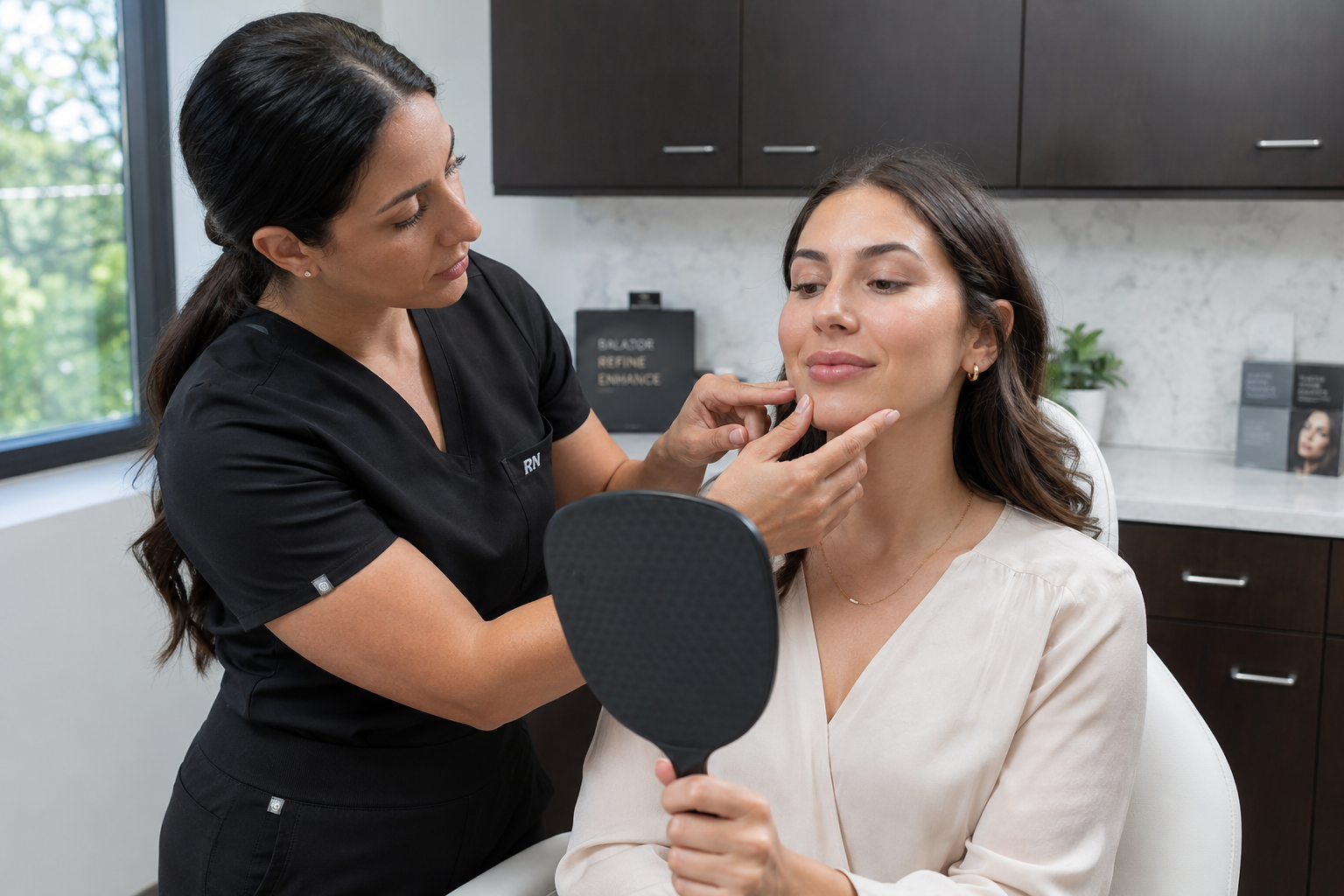
- Schedule a consultation with a board-certified provider to design a synergistic plan combining your at-home routine with professional treatments.
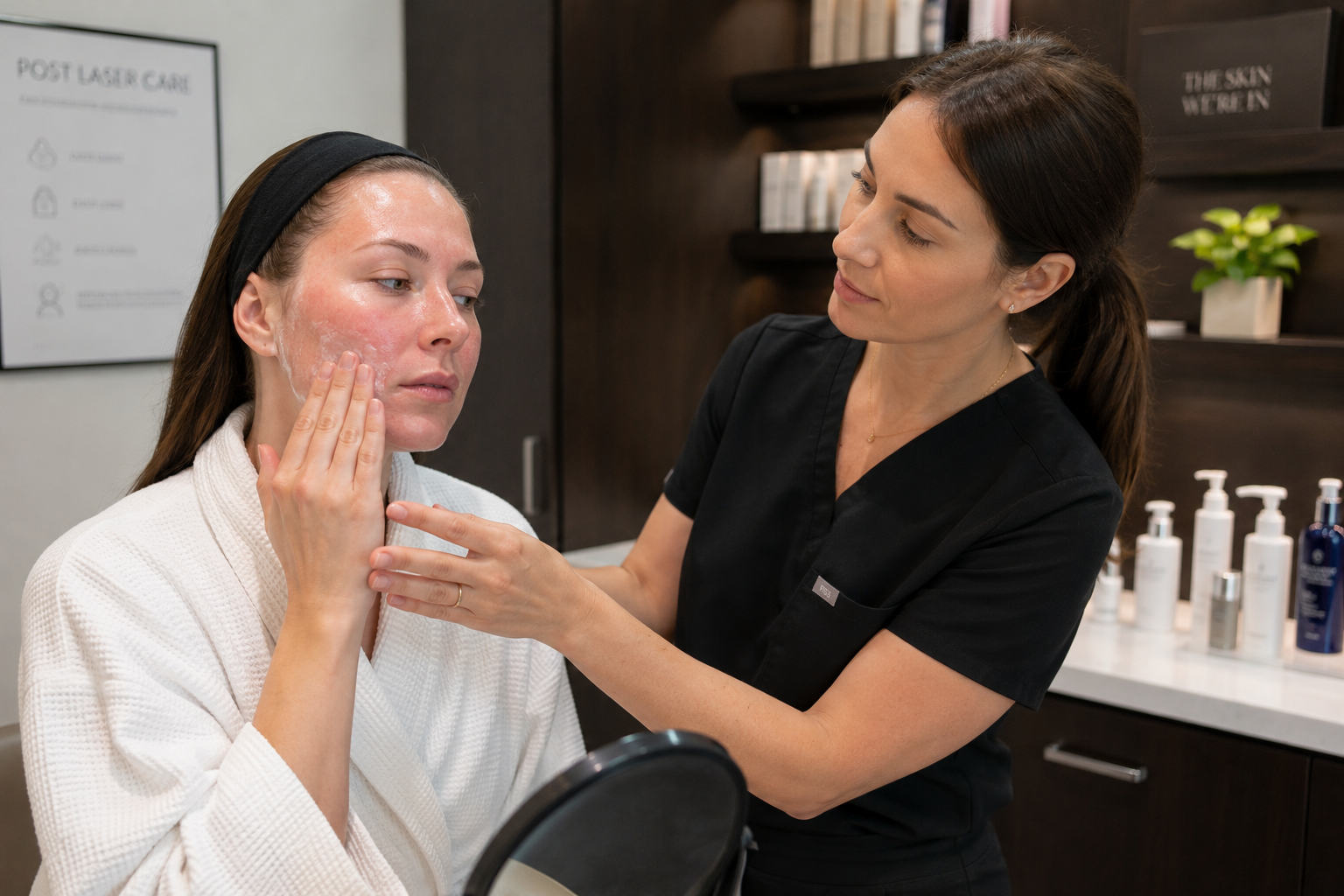
- Never use retinoids or exfoliants right before or after procedures like microneedling or lasers—give your skin time to heal.
- Stick to fragrance-free, gentle products on recovery nights and after any medical aesthetics procedure.
- Document your results and adjust your plan with professional feedback for long-term improvement.
Key Takeaways
- Skin cycling rotates exfoliation, retinoids, and recovery, offering structure and better tolerance for active ingredients.
- Medical aesthetics treatments amplify skin cycling benefits by targeting deeper layers and providing clinical-grade results.
- The best improvements come from combining both approaches under expert supervision.
- Avoid combining strong actives with in-office treatments without professional guidance.
- Consistency, patience, and customization are crucial for radiant, healthy skin.
FAQs
Is skin cycling suitable for sensitive skin?
Yes, skin cycling is often ideal for sensitive skin because it spaces out strong actives, reducing irritation. Adjust the cycle length or strength of products if needed.
Can I start medical aesthetic treatments while skin cycling?
Absolutely. A medical provider can tailor a plan so your at-home regimen and professional treatments work together, not against each other.
What should I avoid when combining skin cycling and medical aesthetics?
Avoid applying retinoids, acids, or exfoliants immediately before or after in-office treatments. Give your skin at least a few days to recover.
How soon will I see results from skin cycling and medical treatments?
Many notice brighter, smoother skin within a few weeks, but long-term improvements in texture and tone build up over months of consistent care.
Do I need to stop skin cycling before an in-office procedure?
Your provider may recommend pausing actives a few days before and after treatments to prevent irritation and support healing. Always follow their specific guidance.