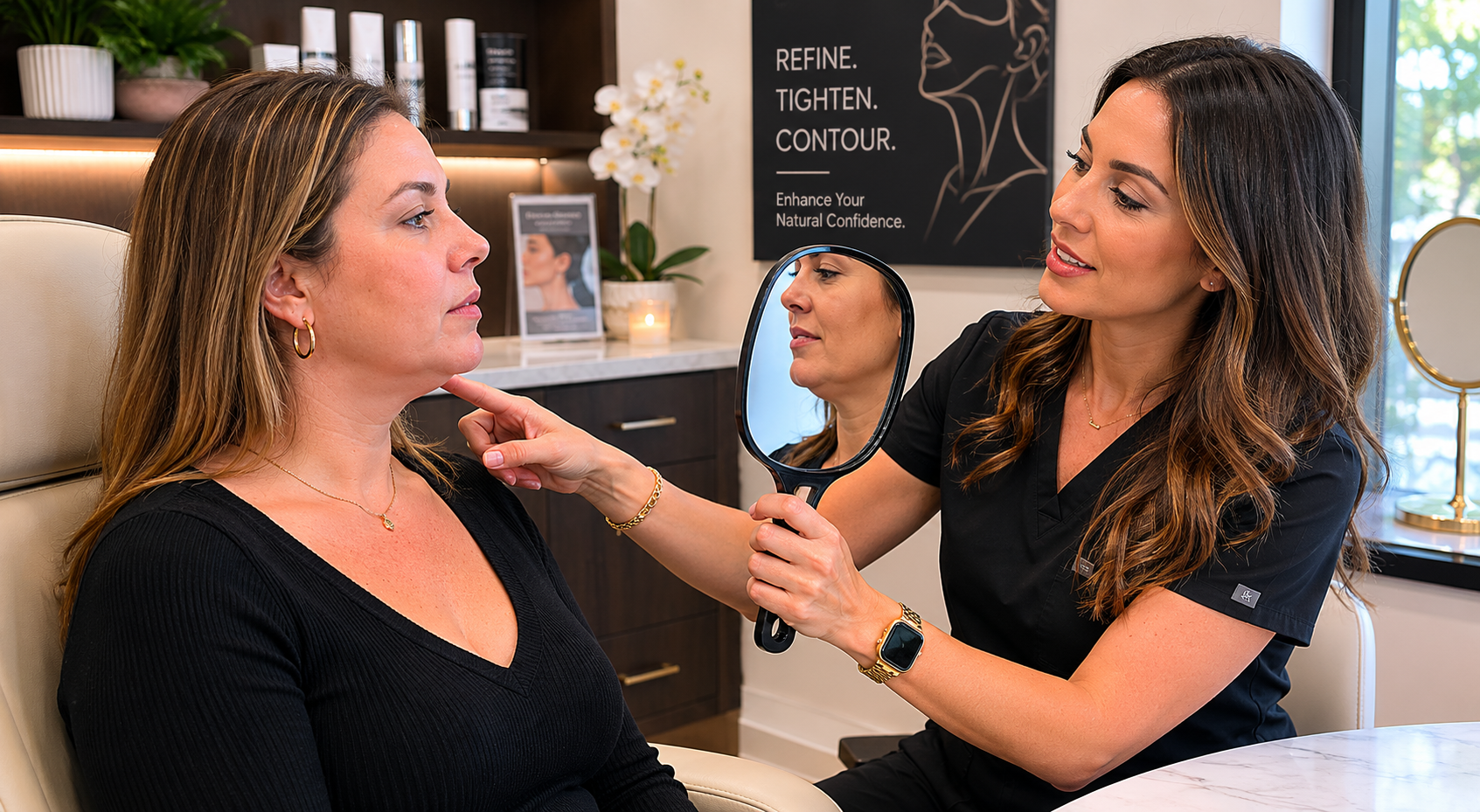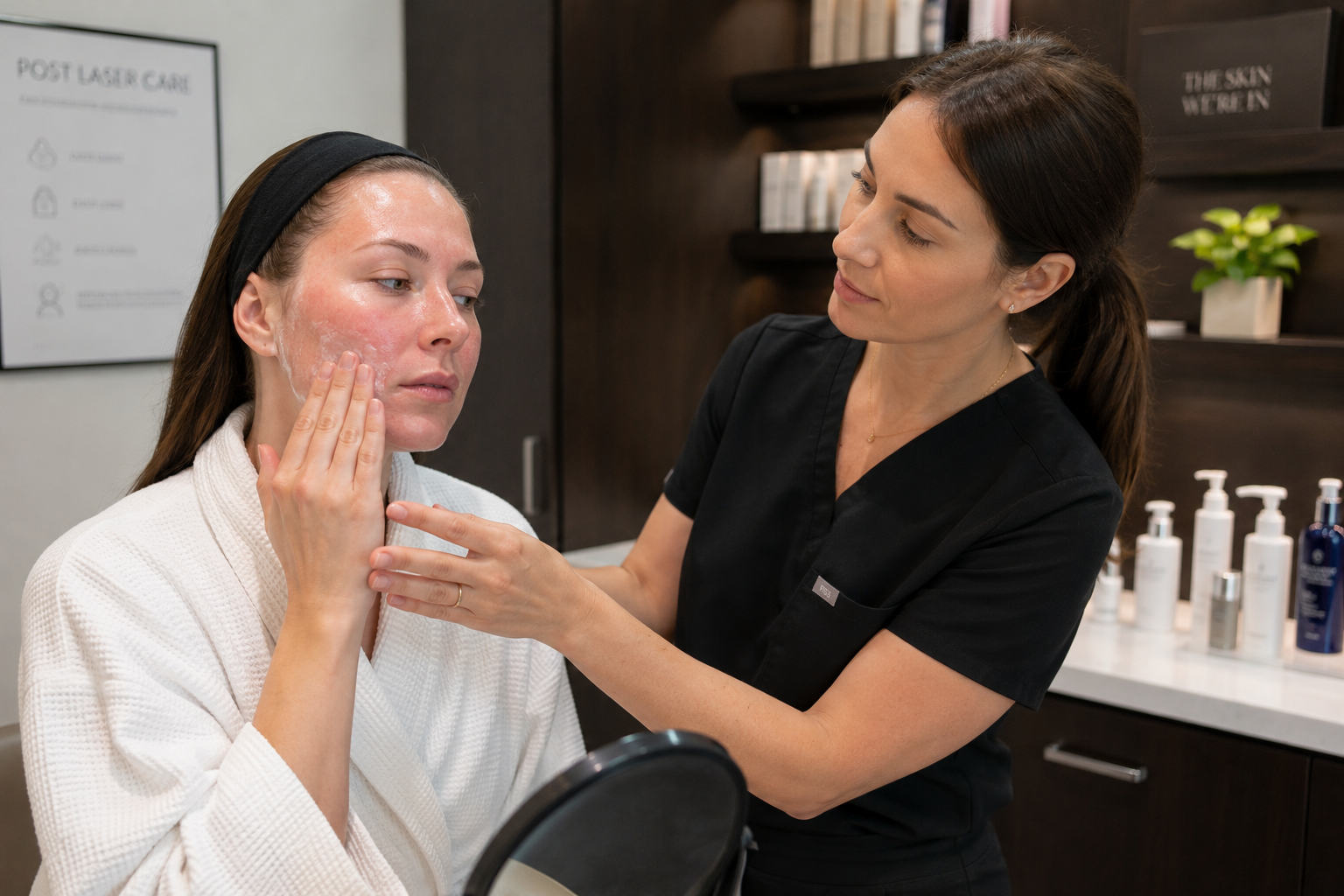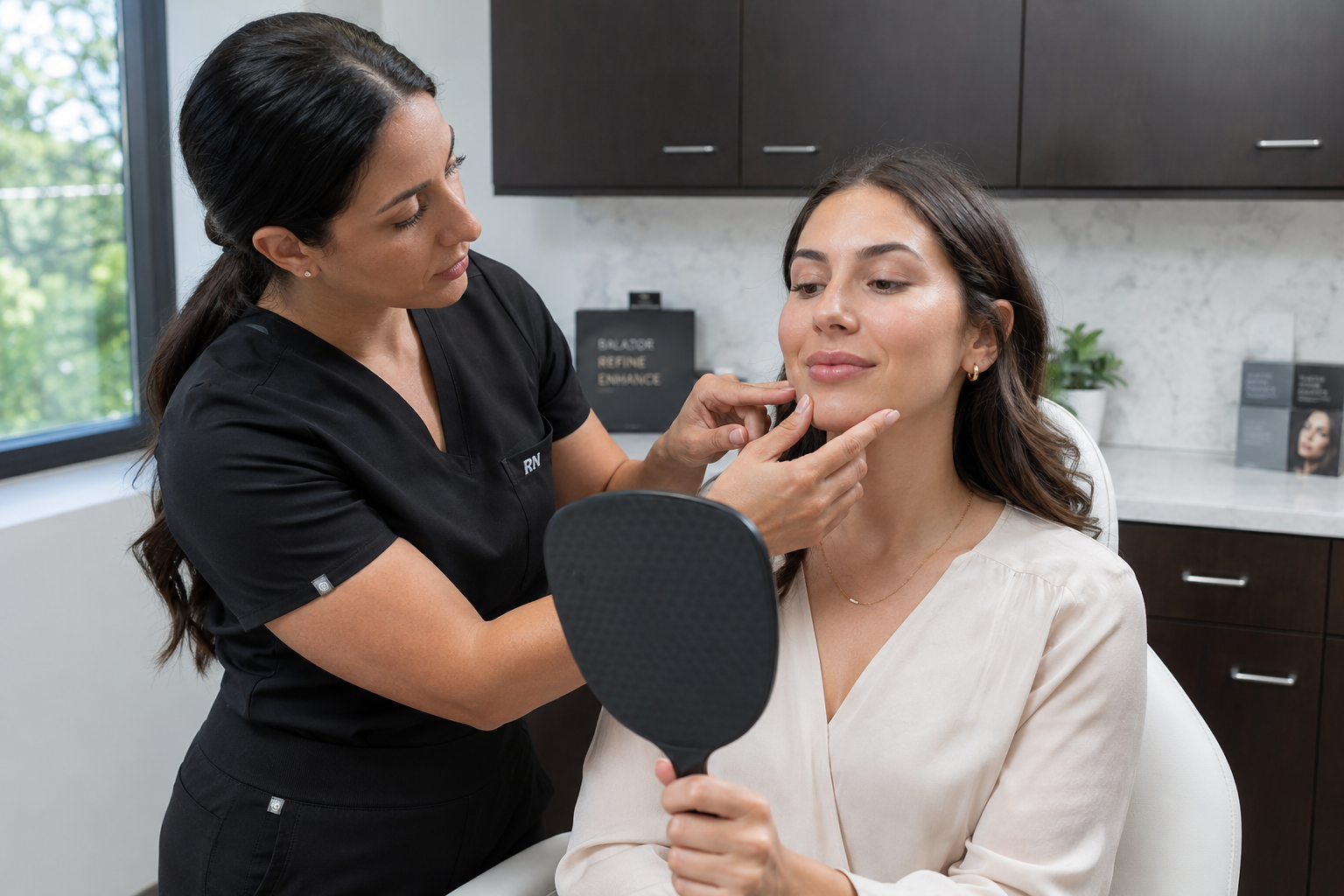
Let’s be honest: when it comes to fighting gravity and time, everyone wants real results—without looking “done” or spending weeks in hiding. Enter the ultimate showdown: Fotona 4D versus the classic surgical facelift. With facial rejuvenation more popular (and more advanced) than ever, choosing between these options isn’t just a matter of cost or convenience. It’s about knowing what will deliver the transformation you want with the downtime and safety profile you need. If you’ve ever wondered whether the scalpel or the laser is your ticket to a younger you, you’re not alone.
Jump To:
TLDR – Quick Guide
- Fotona 4D is a non-surgical laser treatment for facial rejuvenation; surgical facelifts require incisions and anesthesia.
- Both can tighten, lift, and smooth the face, but with very different approaches, risks, and recovery times.
- Fotona 4D is best for mild-to-moderate aging; surgical facelifts address more severe sagging and deep wrinkles.
- Downtime for Fotona 4D is minimal—think hours or days, not weeks.
- Safety profiles are strong for both, but Fotona 4D avoids the surgical risks entirely.
Detailed Breakdown
What is Fotona 4D?
Fotona 4D is a cutting-edge, non-invasive laser treatment designed to lift, tighten, and rejuvenate the face—inside and out. It uses a proprietary sequence of four distinct laser modes to stimulate collagen, resurface skin, and add natural volume. The magic happens both externally (on the skin) and intraorally (inside the mouth), making it one of the only treatments to lift from within.
Benefits of Fotona 4D:
- No needles, scalpels, or anesthesia
- Tightens skin, improves texture, and diminishes lines
- Natural-looking results that develop over weeks
- Suitable for busy professionals and anyone seeking subtle refreshment
What is a Surgical Facelift?
A surgical facelift, or rhytidectomy, is the gold standard for facial rejuvenation with dramatic, lasting effects. A plastic surgeon makes incisions (usually around the ears and hairline), removes excess skin, tightens underlying tissue, and repositions facial structures. Results can last 7–10 years or more, making it the go-to for advanced aging changes.
Benefits of Surgical Facelifts:
- Most effective for deep wrinkles, jowls, and sagging
- Longest-lasting results
- Customizable for more significant transformation
Comparing Results
Fotona 4D Results:
- Noticeable skin tightening, improved tone, and a subtle lift
- Smoother, more radiant skin texture
- Gradual improvements over 2–3 months
- Maintenance treatments recommended for lasting results
- Best for mild-to-moderate laxity
Surgical Facelift Results:
- Immediate and dramatic changes to facial structure
- Significant lifting of sagging skin and deep folds
- Correction of severe aging signs that non-surgical methods can’t match
Comparing Downtime
Fotona 4D Downtime:
- Minimal: mild redness, swelling, or sensitivity may last a few hours to a couple of days
- No bandages, sutures, or prolonged healing
- Most clients return to daily activities almost immediately
Surgical Facelift Downtime:
- Significant: swelling, bruising, and discomfort are common for 2–3 weeks
- Requires bandages, stitches, and often prescription medication
- Social downtime is real—expect time off work and events
Comparing Safety
Fotona 4D Safety:
- No general anesthesia or incisions means a much lower risk profile
- Mild, temporary side effects (redness, swelling, tenderness)
- No risk of scarring or surgical complications
Surgical Facelift Safety:
- Like any surgery, carries risks: infection, bleeding, scarring, nerve injury, anesthesia complications
- Requires careful post-op monitoring
- Results depend heavily on the surgeon’s skill and patient’s health
Key Takeaways
- Fotona 4D is ideal for those seeking a natural, non-surgical refresh with almost no downtime.
- Surgical facelifts remain the gold standard for more advanced aging but come with higher risks and longer recovery.
- Your choice depends on your age, degree of skin laxity, health, lifestyle, and desired results.
- Always consult an experienced provider to explore what will work best for your unique goals.
FAQs
1. How long do Fotona 4D results last?
Results can last up to a year or longer, especially with maintenance treatments every 6–12 months.
2. Is Fotona 4D painful?
Most people describe the procedure as mildly uncomfortable but not painful. Numbing cream is often used for sensitive areas.
3. Who is not a good candidate for Fotona 4D?
Those with severe skin laxity, deep wrinkles, or significant sagging may be better suited for surgical options.
4. How soon will I see results after Fotona 4D?
Some improvement is visible right away, but full results develop gradually over 2–3 months as collagen builds.
5. Can Fotona 4D be combined with other treatments?
Yes, many providers recommend combining Fotona 4D with injectables, peels, or skincare for enhanced results.