When it comes to non-surgical facial rejuvenation, neurotoxins and dermal fillers are the two leading options. Both can smooth lines, restore youth, and boost confidence—but they work in very different ways. Understanding the key distinctions between these injectables is crucial for making an informed choice about your treatment plan. Let’s break down how neurotoxins differ from fillers, their individual strengths, and how to decide what’s right for you.
Jump To:
TLDR – Quick Guide
- Neurotoxins: Temporarily relax facial muscles to smooth dynamic wrinkles (think frown lines, crow’s feet).
- Dermal Fillers: Restore lost volume, contour features, and soften static lines (like nasolabial folds or marionette lines).
- Best for:
- Neurotoxins: Forehead lines, glabellar lines, crow’s feet
- Fillers: Cheeks, lips, jawline, under-eyes, deeper wrinkles
- Decision factors: Age, skin concerns, facial anatomy, and desired outcome.
- **Aesthetic experts can combine both for optimal, natural-looking results.
Detailed Breakdown: Neurotoxins vs Dermal Fillers
Neurotoxins: Smooth Dynamic Lines
Neurotoxins, such as BOTOX®, Dysport®, and Xeomin®, are purified proteins that temporarily block nerve signals to specific facial muscles. By preventing muscle contractions, they soften dynamic wrinkles—those formed by repetitive expressions like frowning or squinting. Results typically appear within a few days and last three to four months.
Best uses:
- Forehead creases
- Frown lines (“11s” between brows)
- Crow’s feet around the eyes
What to expect:
- Quick, minimally invasive treatment
- No downtime
- Natural-looking reduction in lines without a “frozen” look when properly administered
Dermal Fillers: Restore Volume and Contour
Dermal fillers, including the JUVÉDERM® and Restylane® families, are injectable gels (most often hyaluronic acid-based) designed to add or restore volume. They address static wrinkles and hollows that result from aging, gravity, or weight loss. Fillers can also enhance lips, contour cheeks, define the jawline, and rejuvenate the under-eye area.
Best uses:
- Smile lines (nasolabial folds)
- Marionette lines
- Cheek augmentation
- Lip enhancement
- Jawline sculpting
- Tear trough (under-eye) correction
What to expect:
- Immediate visible results
- Minimal recovery time
- Results last 6–24 months, depending on the product and area treated
Choosing the Right Option for You
- Wrinkle type matters:
- Dynamic lines (caused by movement): Neurotoxins are ideal.
- Static lines or volume loss: Fillers deliver superior correction.
- Treatment goals:
- Smoother forehead and eyes? Choose neurotoxins.
- Fuller cheeks, lips, or jawline? Opt for fillers.
- Combination therapy:
Many clients benefit from a customized blend of both for full facial rejuvenation. - Medical assessment:
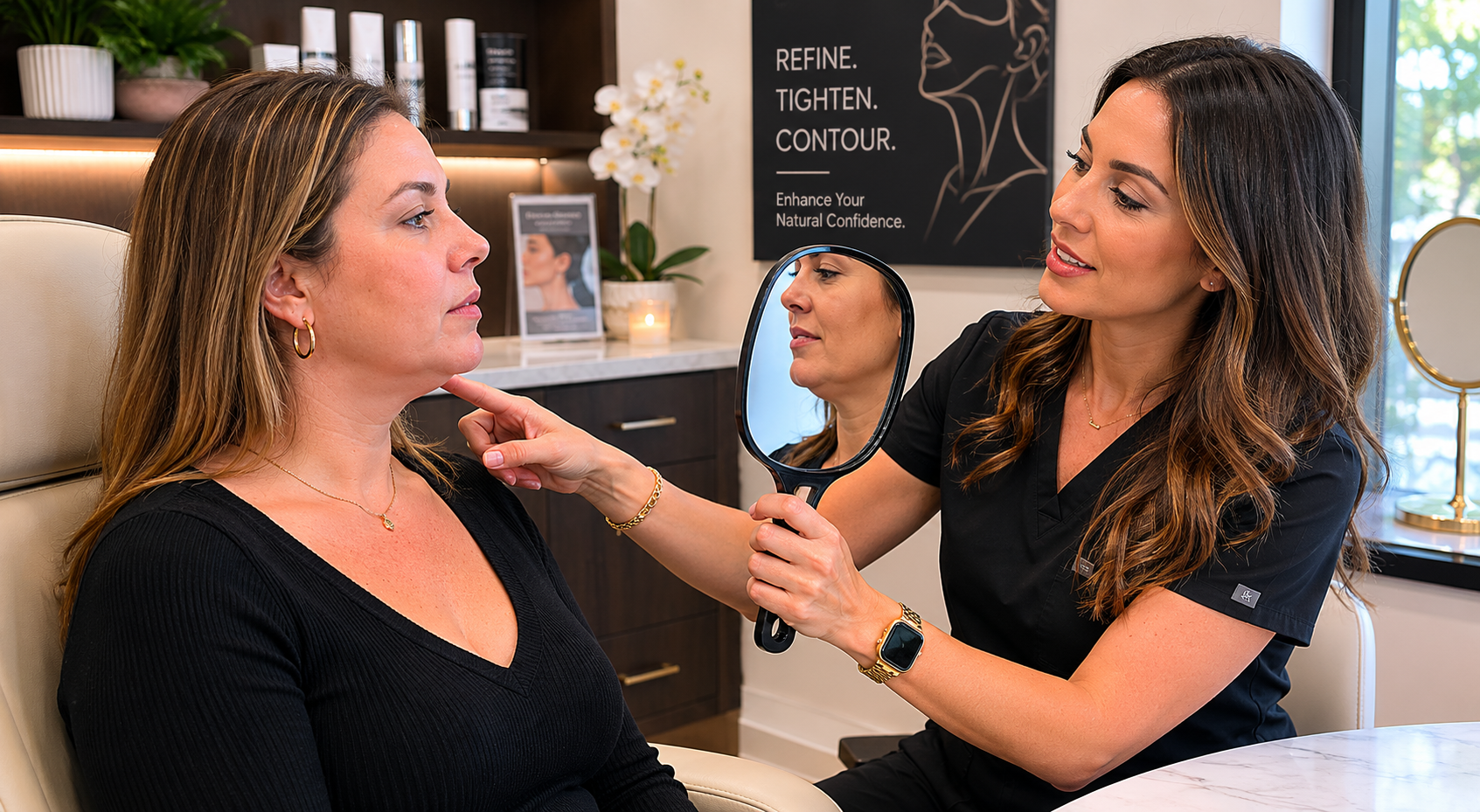
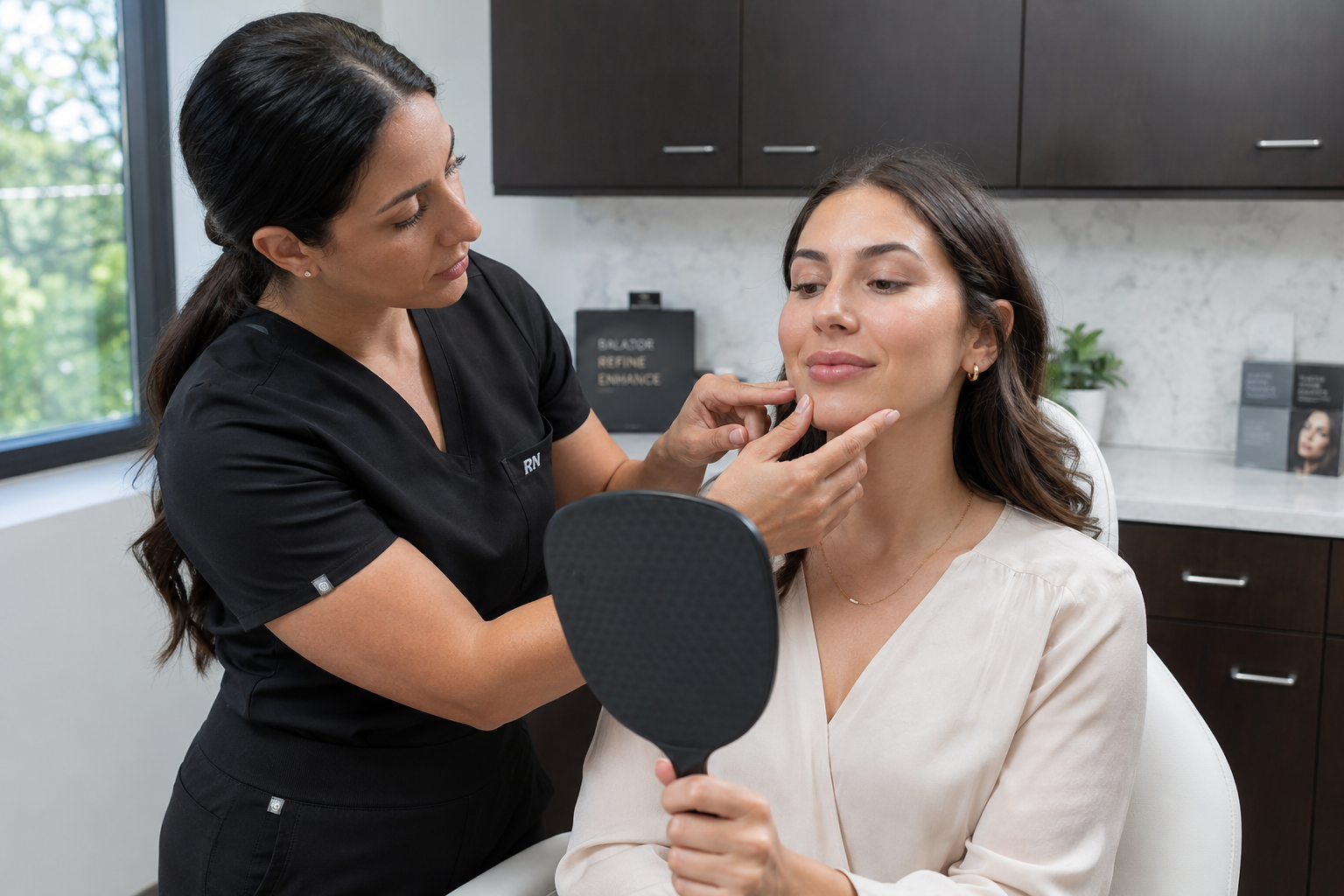
A thorough consultation at AlluraDerm MD Med Spa includes a review of your facial anatomy, aesthetic goals, and medical history to create a safe, effective plan.
Key Takeaways
- Neurotoxins and dermal fillers work differently but are both highly effective for facial rejuvenation.
- Neurotoxins treat lines caused by muscle movement; fillers restore lost volume and smooth deeper wrinkles.
- The best approach is tailored to your unique features and goals.
- Working with an experienced, medically supervised provider ensures natural results and safety.
FAQs
What’s the main difference between neurotoxins and fillers?
Neurotoxins relax targeted muscles to smooth dynamic lines, while fillers add volume and structure to soften static lines and contour the face.
How long do neurotoxins and fillers last?
Neurotoxins last 3–4 months on average; most fillers last from 6–24 months depending on the type and placement.
Can neurotoxins and fillers be used together?
Yes. Many patients achieve optimal, natural results by combining both treatments.
Are the procedures painful?
Both treatments involve minimal discomfort, often described as a quick pinch. Numbing cream or ice can be used to enhance comfort.
Is there any downtime?
Most clients return to daily activities immediately. Some swelling or bruising may occur with fillers but is usually mild and temporary.