Acne might be temporary, but its scars can stick around like bad decisions on social media. If you’ve been trying every serum, cream, and trending TikTok hack to smooth your skin—without results—it’s time to level up. Two top-tier treatments stand out in the cosmetic dermatology arena: Chemical Peels vs Laser Resurfacing for Acne Scars.
While both treatments promise smoother, clearer skin, they work in totally different ways. One peels, the other zaps. But which one is truly better for acne scars—and more importantly, for your unique skin?
Let’s break it down.
Jump To:
TLDR – Quick Guide
- Chemical peels use acids to exfoliate and boost skin regeneration.
- Laser resurfacing uses concentrated light beams to remove damaged skin layers and stimulate collagen.
- Peels are better for superficial scars and those on a budget.
- Lasers work wonders for deep or pitted scars, with more dramatic results—but also more downtime.
- Your skin type and lifestyle should guide your choice.
Detailed Breakdown
What Are Chemical Peels?
Chemical peels involve applying a solution—usually containing glycolic acid, salicylic acid, or trichloroacetic acid (TCA)—to the skin. The solution exfoliates the top layers, encouraging new skin cells to grow and replacing the damaged ones.
There are three types of chemical peels:
- Light peels: Great for minor texture issues and discoloration.
- Medium peels: Tackle moderate acne scars and hyperpigmentation.
- Deep peels: Penetrate further for more dramatic resurfacing—think phenol peels.
Pros:
- Budget-friendly
- Minimal downtime with lighter peels
- Helps with hyperpigmentation
Cons:
- Requires multiple sessions
- Not effective for deep, pitted scars
- May not suit darker skin tones due to risk of hyperpigmentation
What Is Laser Resurfacing?
Laser resurfacing uses either ablative (e.g., CO2 or Erbium) or non-ablative lasers to remove the outer layer of skin and stimulate collagen beneath. It’s like microneedling on steroids—precise, powerful, and deeply effective.
Ablative lasers vaporize the top skin layers, making them ideal for deep acne scars. Non-ablative lasers, like Fraxel, heat the skin without removing it—perfect for a subtle refresh with less downtime.
Pros:
- Excellent for deep, indented scars
- Boosts collagen production
- Results often seen in 1–2 sessions
Cons:
- Higher cost
- More downtime (up to 2 weeks)
- May cause redness, swelling, or temporary skin sensitivity
Head-to-Head Comparison
| Feature | Chemical Peels | Laser Resurfacing |
| Best For | Mild to moderate acne scars | Deep or textured acne scars |
| Downtime | 1–7 days (varies by peel strength) | 5–14 days (depending on laser type) |
| Pain Level | Mild stinging | Moderate discomfort (numbing usually used) |
| Cost per Session | $150–$600 | $500–$3,000 |
| Number of Sessions Needed | 3–6 (spaced weeks apart) | 1–3 (with months between) |
| Results Timeline | Gradual improvement over weeks | Significant results within 1–2 treatments |
Which One Should You Choose?
It depends on your:
- Scar type: Shallow discoloration? Start with a peel. Deep ice-pick scars? Go laser.
- Skin tone: Lasers may require special care for darker skin; chemical peels should be selected carefully to avoid hyperpigmentation.
- Budget and downtime tolerance: Peels cost less and offer a quicker recovery. Lasers cost more but may require fewer sessions.
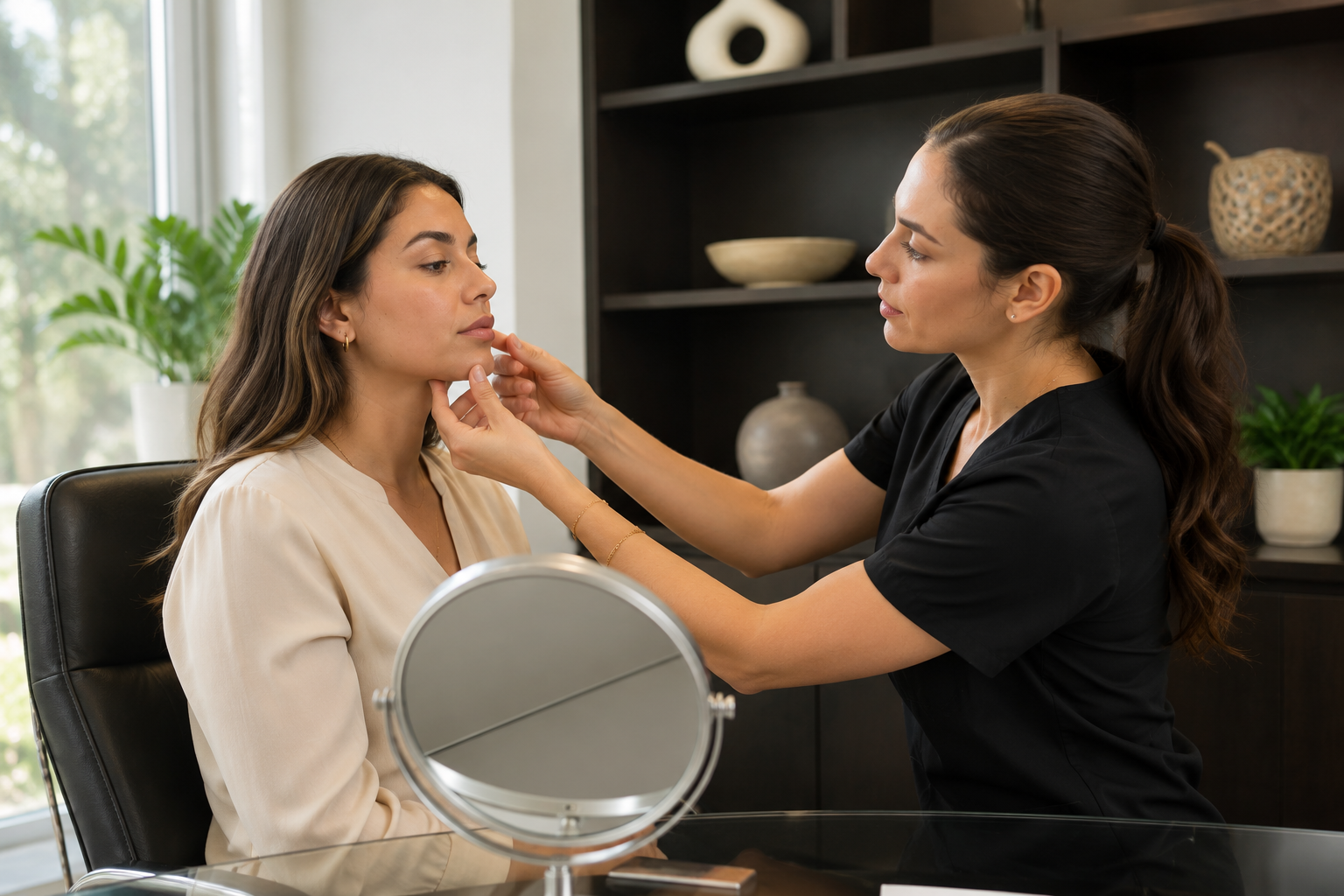
A board-certified provider can evaluate your skin and guide you to the right treatment—or even suggest a hybrid approach (combo treatments are totally a thing).
Key Takeaways
- Chemical peels are ideal for lighter, surface-level acne scars and skin discoloration.
- Laser resurfacing delivers deeper results for textured, stubborn acne scars.
- Your skin type, scar severity, and budget should guide your decision.
- Often, a combination of both treatments yields the best long-term results.
Always consult with a licensed skincare professional for tailored advice.
FAQs
Is laser resurfacing more effective than chemical peels for acne scars?
For deep, indented scars, yes—laser resurfacing typically provides more dramatic improvements. However, chemical peels are great for surface texture and discoloration.
Are these treatments safe for all skin types?
Generally, yes—but darker skin tones need extra caution, especially with deeper peels and lasers. Choose an experienced provider familiar with treating diverse skin tones.
How long do results last?
Results from both treatments can last months to years, especially with good skincare maintenance and sun protection.
Can I combine both treatments?
Absolutely. Many dermatologists recommend alternating chemical peels and lasers for maximum skin rejuvenation.
Is there a risk of scarring from either treatment?
There’s a minimal risk when done correctly, but improper use—especially of aggressive lasers—can cause temporary or even permanent scarring. Stick with reputable, certified professionals.